Sentry Equipment
World Headquarters
966 Blue Ribbon Circle North
Oconomowoc, WI 53066
+1-262-567-7256

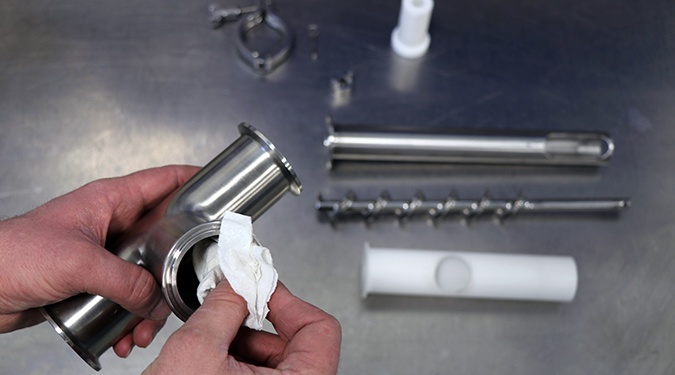
Cleaning sampling equipment used in food production is very important. Food producers need to have confidence that their automated samplers are cleaned and maintained properly to eliminate contamination and potential recalls and their associated costs. Thorough cleaning and sanitizing of food-handling machines, and equipment, including food and beverage samplers is a requirement of a robust hazard analysis and critical control points (HACCP) plan.
Read MoreTopics: Food & Beverage
.jpg)
In recent years, purchasing food product recall and contamination insurance has become more common as food producers seek to reduce their risk. It’s become more prevalent as companies stop self-insuring due to the serious potential financial and brand consequences of recalls. Even large food producers are considering recall liability insurance as they face potential lost revenue from a costly recall. For small companies, a recall can put them out of business.
Yet, many food producers may still be missing the relationship between representative sampling at various stages throughout the production process and their liability insurance rates.
Read MoreTopics: Food & Beverage
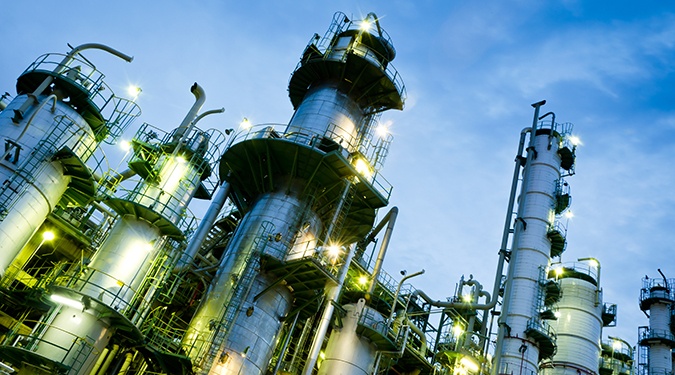
The logic forming the basis of the old saying “what you can’t measure, you can’t control” has justified generations of increasingly sophisticated process monitoring and control technologies. As the requirements for continually improved manufacturing processes evolve, this trend will drive future research, development, and implementation.
Read MoreTopics: Downstream
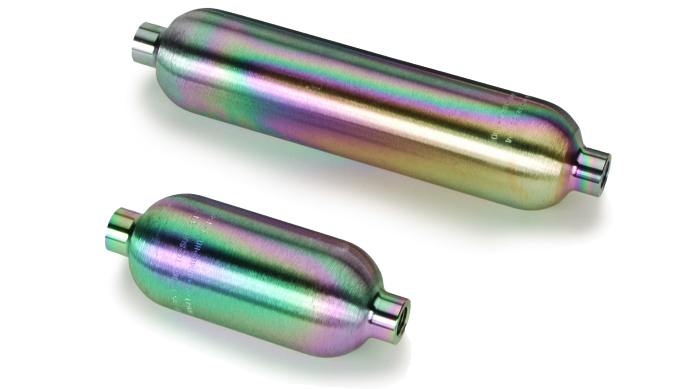
The chemical compatibility of materials used to construct analytical systems for sampling, transfer, and analysis of oil and gas must be carefully considered to maximize reliability. Specifically, virtually all natural gas samples contain sulfur compounds which need to be precisely quantified for quality purposes. In most applications, sulfur compounds like hydrogen sulfide (H2S) must be quantified at the parts-per-million (ppm) and sometimes even parts-per-billion (ppb) level.
However, the stainless steel components that typically make up a gas sampler are prone to absorbing sulfur compounds onto the surface. Though this problem may seem negligible in gas samples with a high percentage of sulfur concentrations, it is impossible to accurately quantify sulfur and other active compounds at trace levels without first treating the stainless steel flow path.
Read MoreTopics: Upstream & Midstream, Gas
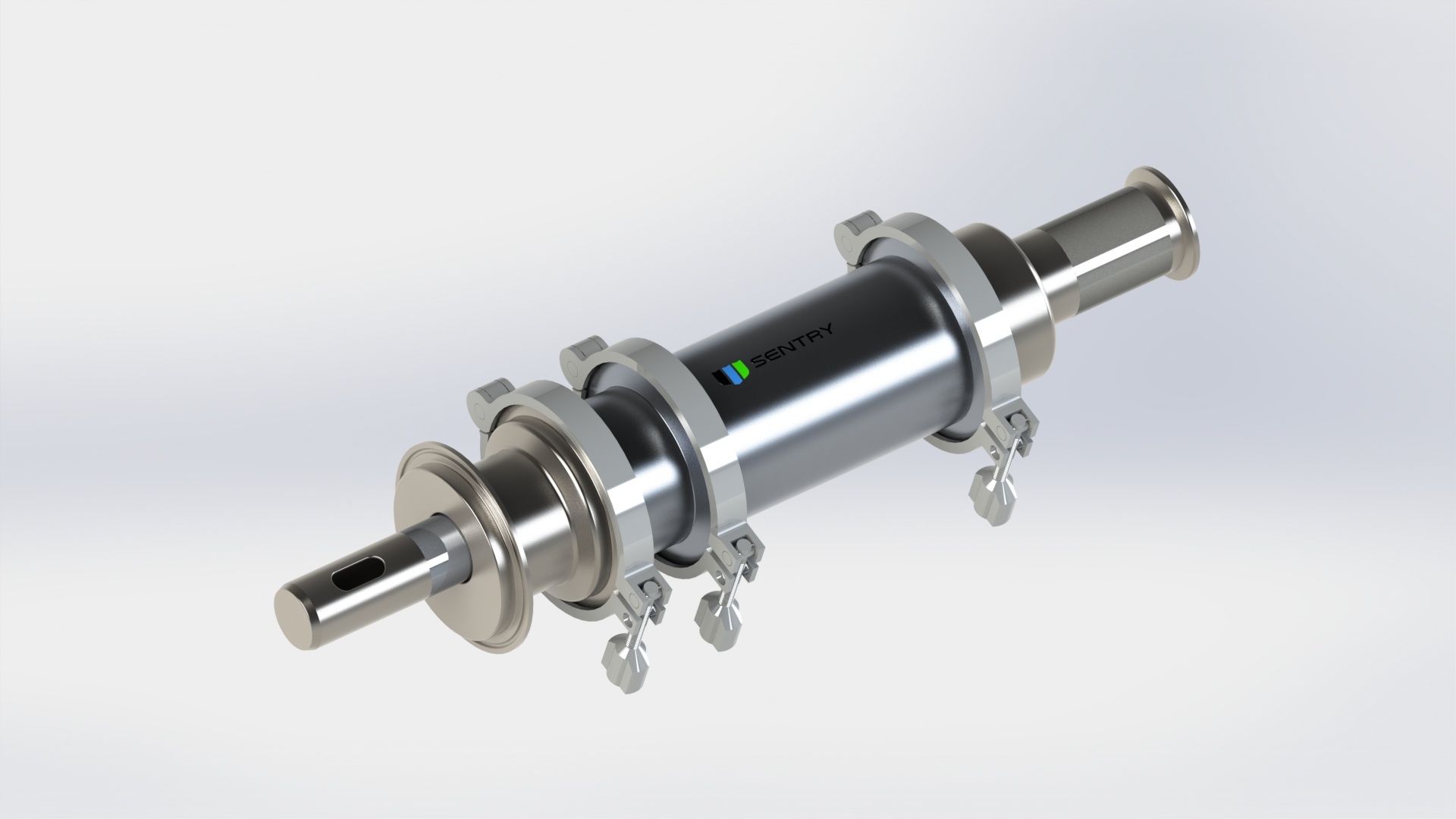
This article contains excerpts from an article that originally appeared on FoodProcessing.com. It has been republished below for our readers like yourself!
Thorough cleaning and sanitizing of food-handling machines and equipment is a requirement, but the task becomes easier and faster when upfront consideration is given to sanitary design.
With implementation of the Food Safety Modernization Act (FSMA) under way, sanitary design migrated from a nice-to-have to a must-have for the processing and handling equipment inside food & beverage manufacturing facilities.
Read MoreTopics: Food & Beverage
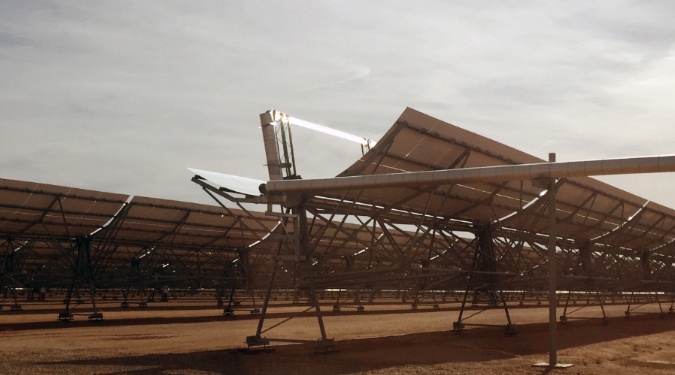
A large parabolic trough solar power plant in the southwest part of the U.S. uses two 125 megawatt (net) steam turbine generators to generate more than 250 megawatts of energy. Since the power plant uses solar energy to create steam that drives a turbine, the plant faces many of the same concerns as a conventional fossil fueled power plant.
Therefore, it is critical to safely monitor and measure the quality of the steam and water used when generating steam. For this reason, a conventional steam and water analysis system (SWAS) was part of the original construction.
Read MoreTopics: Power, Steam & Water

Why should customers care whether they buy from employee-owned companies or not? Typically, customers receive greater value when working with an employee-owned company. Pride of employee ownership produces a culture that benefits their customers. That pride positively impacts the employee culture in attitude, engagement and communication with their customers.
Overall, employee owners care more, work harder and serve customers better than non-employee owners because they have a financial stake in the customers’ experience and are committed to their ongoing satisfaction. Following are three ways customers benefit from an employee-owned company culture:
Read MoreTopics: Company News
.jpg)
Peanut and tree nut allergies are two of the top eight most common food allergies. The other six are milk, eggs, soy beans, fish, shellfish, wheat and corn. Allergies to peanuts are generally a life-long condition, with only about 20 percent of people with the allergy ever receiving a remedy. In addition, up to 40 percent of people with peanut allergies are also allergic to tree nuts.
An allergic reaction can occur just by touching a surface with a trace amount of peanut butter and then touching one’s eye. Some of the serious reactions can be deadly; therefore, identifying an allergen such as peanuts or tree nuts in food processing is vital to protecting consumers. The challenge in controlling allergens such as peanuts and tree nuts involves the entire process at a food production plant. Identifying the allergens means using preventative measures to detect them, particularly when producing products with allergen sources such as nuts.
Read MoreTopics: Food & Beverage
.jpg)
Within the oil and gas industry, hydrocarbon liquids such as crude oil, condensates, and oil and water mixtures must be sampled to yield representative samples for analysis. The resulting data is used for quality control, to determine product properties and composition, and for fiscal calculations, allocations and loss control.
In addition to complying with custody transfer standards such as API 8.2 and ASTM D 4177, the advantages of representative sampling include:
Topics: Upstream & Midstream
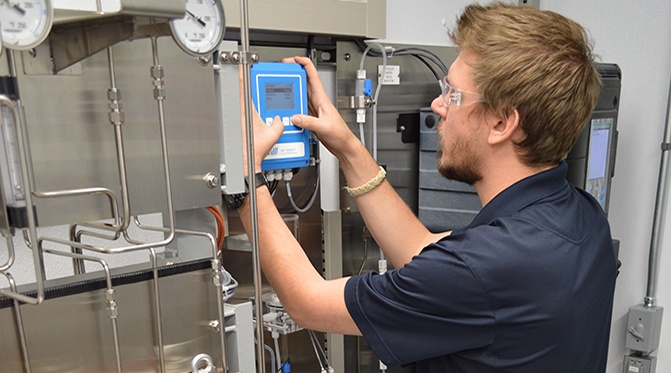
Reducing and managing downtime in any process operation is vital to ensuring uninterrupted production and the safety of your plant operators. You need to obtain representative samples reliably to assess plant and product condition to control your process effectively.
Regularly scheduled maintenance keeps your sampling solution operating at peak performance and extends their life. Over time, however, the efficiency of samplers and sampling systems decreases. For example, in a steam and water analysis system, sample coolers lose capacity due to calcification and wear. Analyzers may not deliver consistently accurate measurements which can compromise regulatory compliance. Wear and leakage of valves and safety devices can cause unnecessary risk to operator safety. While much of this can be a result of normal operation, it is often a direct result of improper maintenance, calibration or obsolescence.
As your sampling solution ages, it requires ongoing maintenance, service, and in some cases refurbishment, with replacement of components or at worst, complete replacement. You need qualified technicians to service your equipment and recommend the correct course of action. Operator safety and protection of production is not something to take lightly. While some organizations have in-house capabilities, many don't and under these circumstances, you need to look to an outside service partner.
Read MoreTopics: Any Application
