
Sentry Equipment
World Headquarters
966 Blue Ribbon Circle North
Oconomowoc, WI 53066
+1-262-567-7256

Refineries often operate sampling systems as separate entities within the plant. Conducting a site-wide sampling audit evaluates a plant’s sampling program to help ensure that all sampling stations are seamlessly working together. A comprehensive audit also helps refinery operators and managers develop a clear plan of action to ensure the processes they monitor remain safe and running properly.
Read MoreTopics: Downstream, Solids & Powder, Liquid & Slurry, Gas
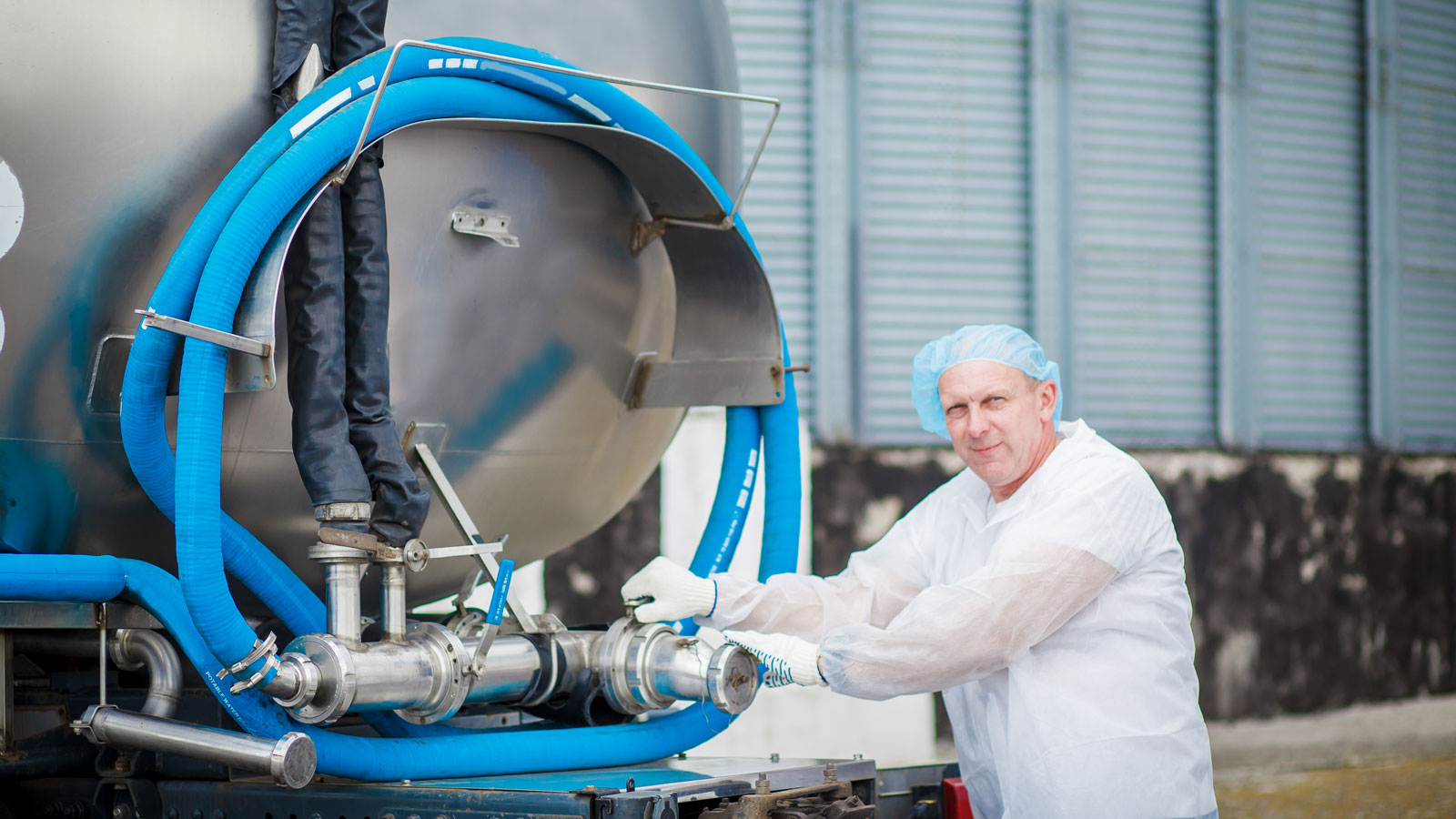
In the dairy industry, it’s critical to maintain proper custody transfers of milk and milk products. To ensure quality and safety, milk and cream are often sampled at custody transfer points. Automatic sampling at custody points helps producers and processors comply with regulations, while maximizing product safety, quality and yield.
Read MoreTopics: Food & Beverage, Liquid & Slurry

Providing a safe and easy method of accessing pressurized process systems for corrosion monitoring, chemical injection or sample extraction is an important operational consideration in upstream and midstream processes. Representative sampling solutions enable users to monitor corrosion, inject chemicals or extract samples easily and effectively. It also ensures a high level of user safety, while requiring a smaller crew and less time to operate.
Read MoreTopics: Upstream & Midstream, Liquid & Slurry, Gas
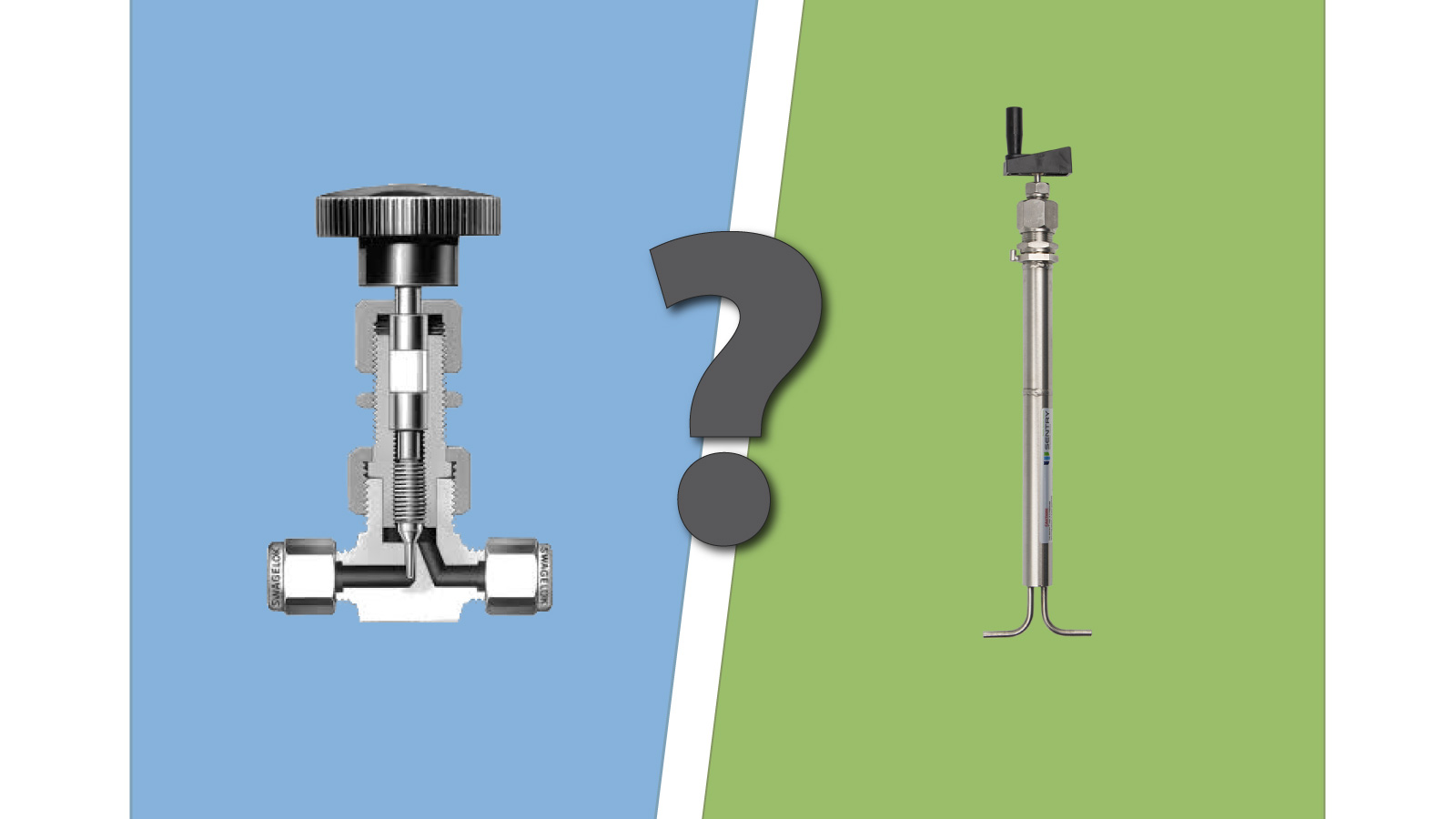
Chemical analysis of water and steam samples in utility plants requires precise control of flow and pressure. A common element of the steam and water sampling system is a pressure reducing valve to control the pressure of the sample. However, using an incorrect valve can not only damage plant and sampling equipment, but possibly injure operators. That’s why it’s essential to match plant applications with the correct pressure reducing valves.
Read MoreTopics: Power, Steam & Water
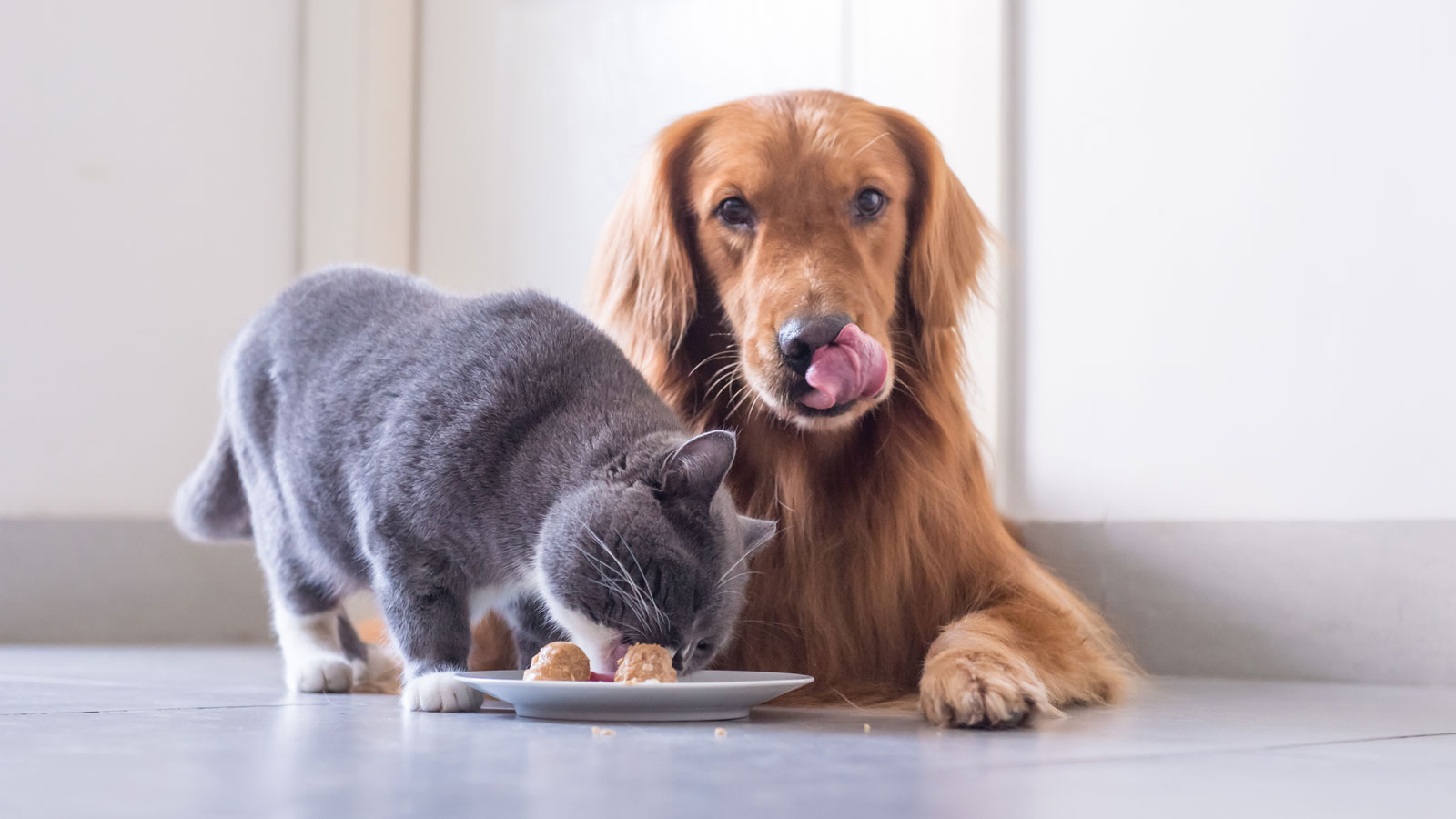
Like food meant for human consumption, pet foods are subject to contamination during the manufacturing process. Contamination can include ingredients with incorrect physical or chemical properties as well as contamination from toxins. Automatic sampling of animal food, including wet and dry dog and cat food, helps detect the presence of harmful bacteria such as Listeria and Salmonella to ensure quality and safety for people and pets.
Read MoreTopics: Food & Beverage, Solids & Powder

Chemical mitigation programs are a costly necessity for companies producing, transporting, storing and refining natural gas, gas liquids and crude oil. Optimizing these programs can result in immediate and considerable financial savings of 10%-30%. The first step in optimizing a program is to conduct a Chemical Optimization Audit.
Read MoreTopics: Downstream, Upstream & Midstream, Liquid & Slurry, Gas
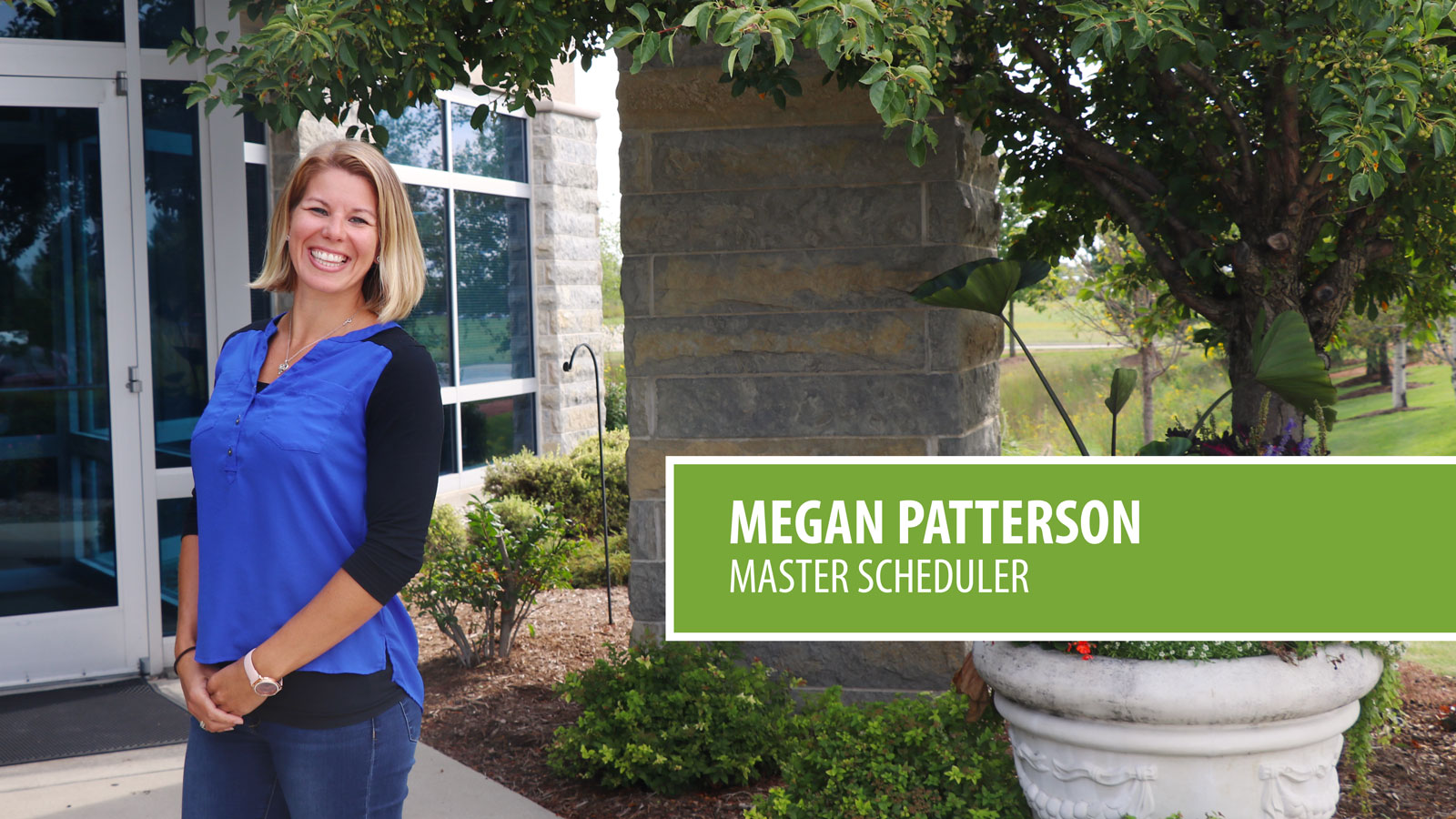
Two years ago, Megan Patterson had a big decision to make. She was weighing job offers from multiple companies, including one from Sentry Equipment as a production controller. She turned to a trusted mentor to discuss her options. By the end of the discussion, the choice was easy.
Read MoreTopics: Company News
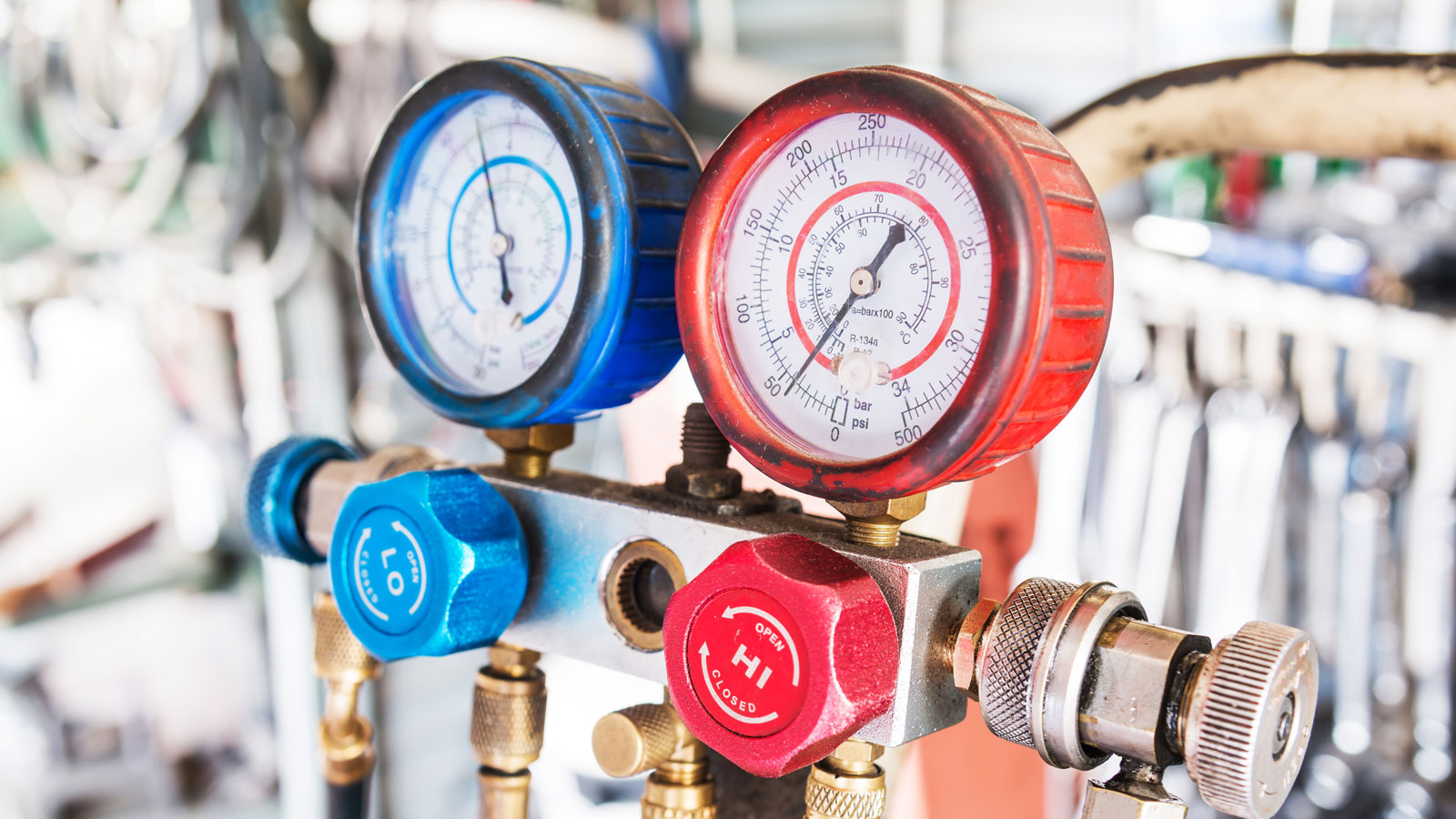
The goal of a steam and water analysis system (SWAS) in power generation is to properly condition the sample so that it is representative of the process. Secondary sample cooling provides a way to eliminate measurement uncertainty issues by removing the variable of temperature from the measurement. Secondary cooling also provides a temperature “cushion” when primary cooling systems are undersized or underperforming.
Read More
Topics: Power, Steam & Water
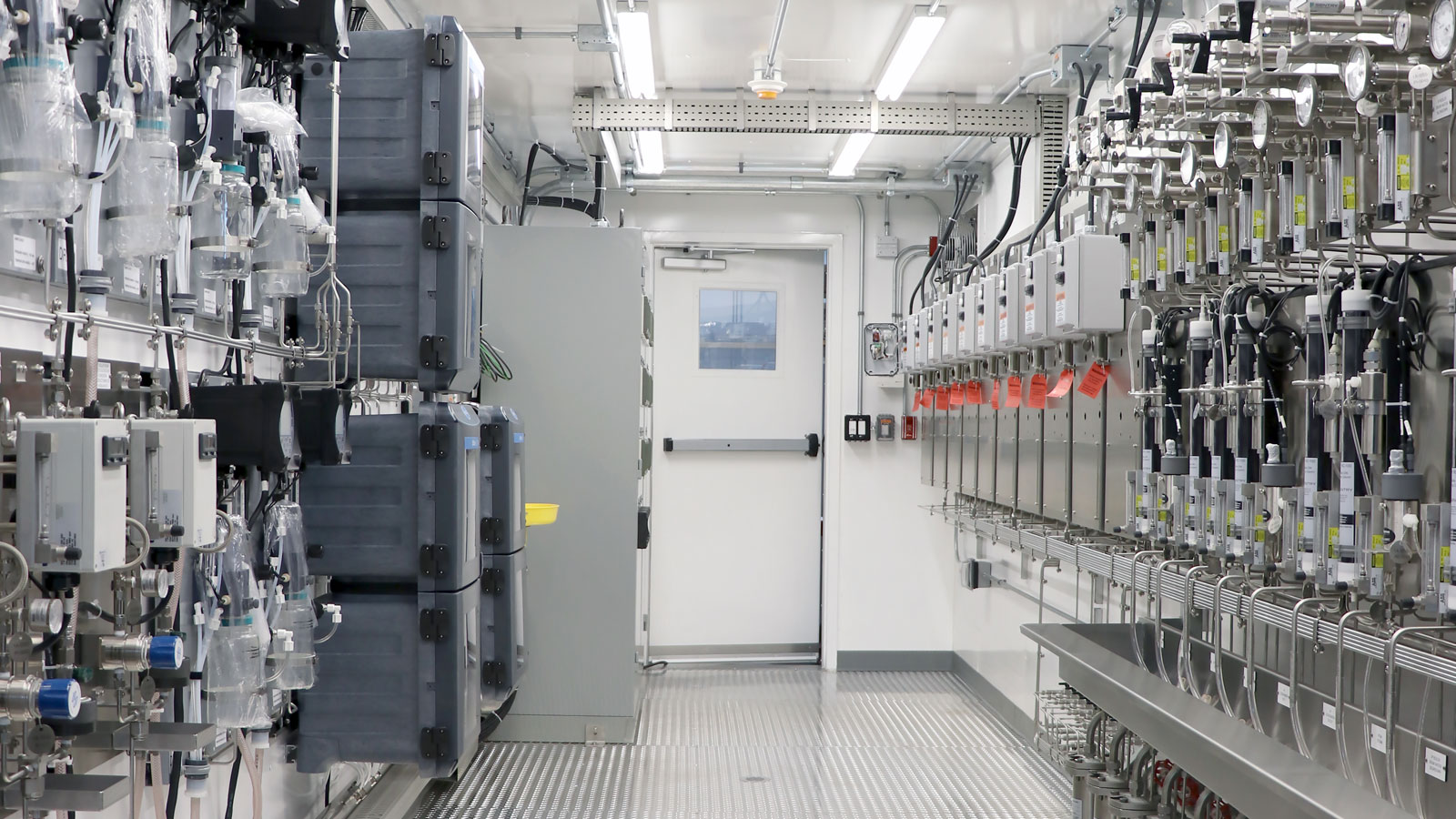
A well-planned and designed steam and water analysis system (SWAS) with the right instrumentation can help provide the critical insights you need to monitor cycle chemistry, protect equipment and ensure safe operation.
Read MoreTopics: Power, Steam & Water
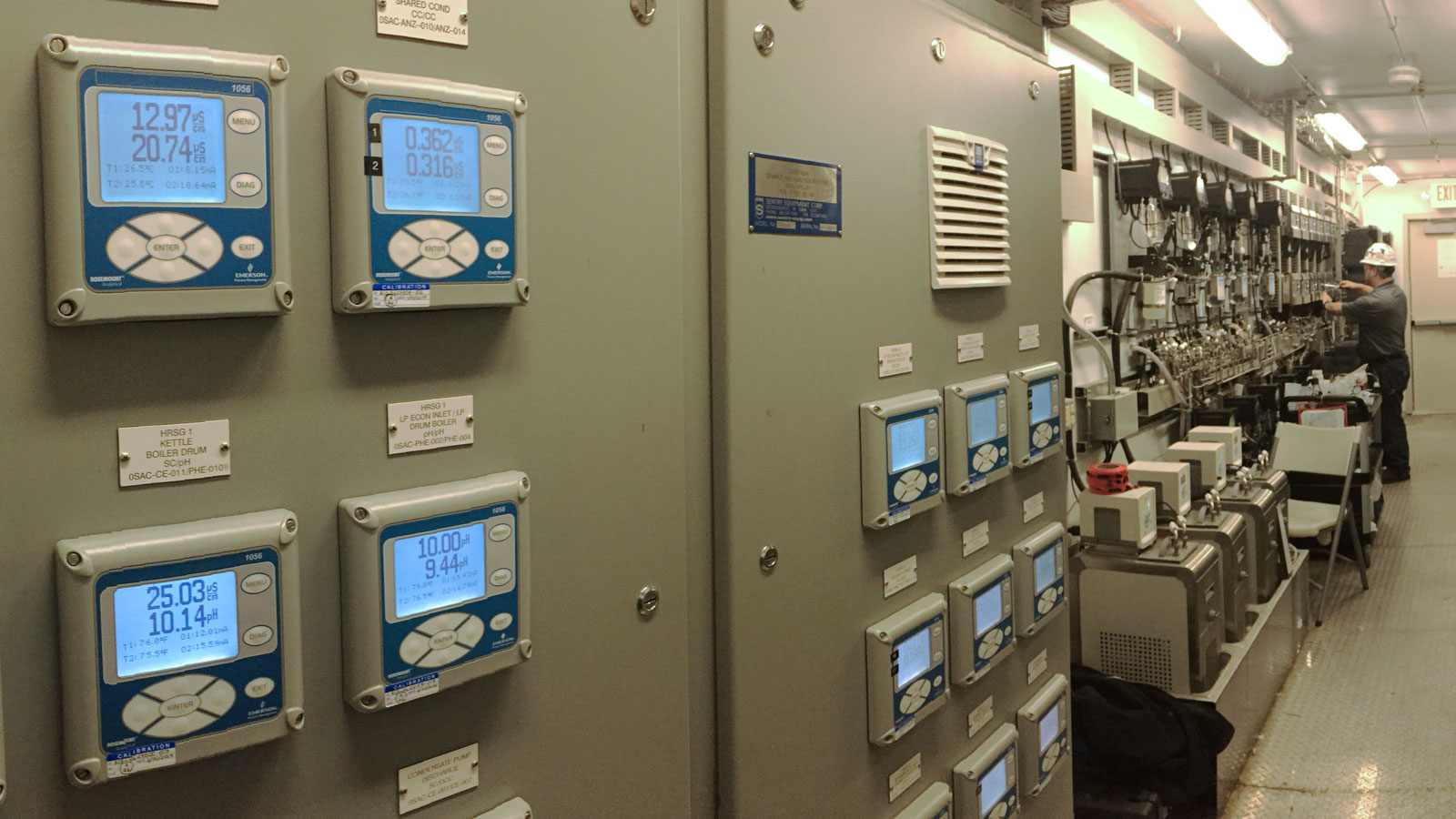
Sample flow is a primary factor that affects the results from a steam and water analysis system (SWAS) in a cycling power plant. When sample flow is inconsistent, so are analyzer measurements – which can lead to catastrophic equipment failures. Controlling flow in a SWAS requires the appropriate equipment to eliminate analysis compensation and sources of error in measurements to improve chemical feed accuracy and cost savings.
Read MoreTopics: Power, Steam & Water
