Sentry Equipment
World Headquarters
966 Blue Ribbon Circle North
Oconomowoc, WI 53066
+1-262-567-7256

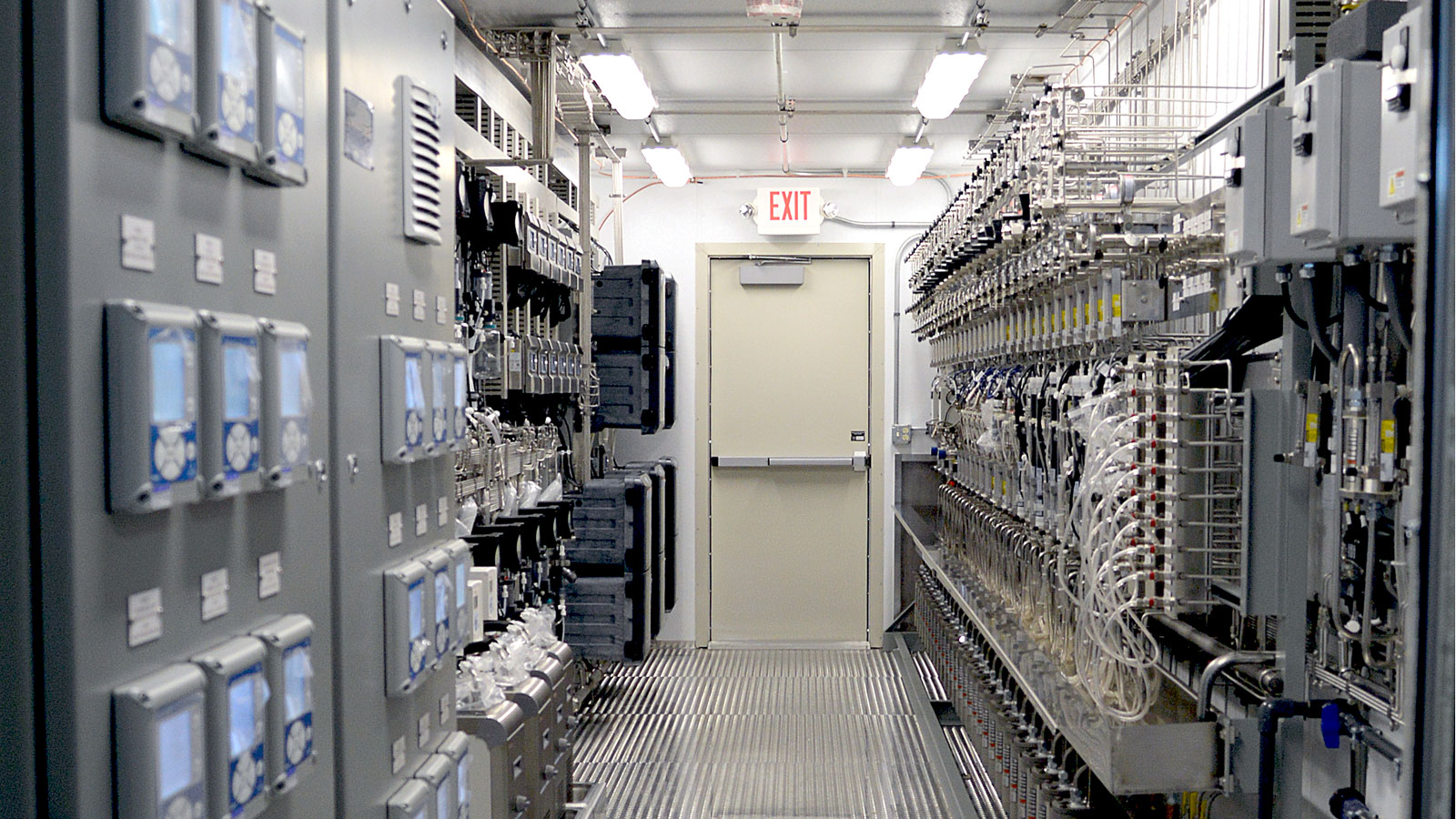
The technical design specification is the first step in designing a steam and water analysis system (SWAS) that operates accurately, reliably and safely for your plant’s conditions. Understanding the different possible configurations when designing your SWAS can help you choose one that will maximize efficiency and output while protecting plant assets, operators and the environment.
Read MoreTopics: Power, Downstream, Steam & Water
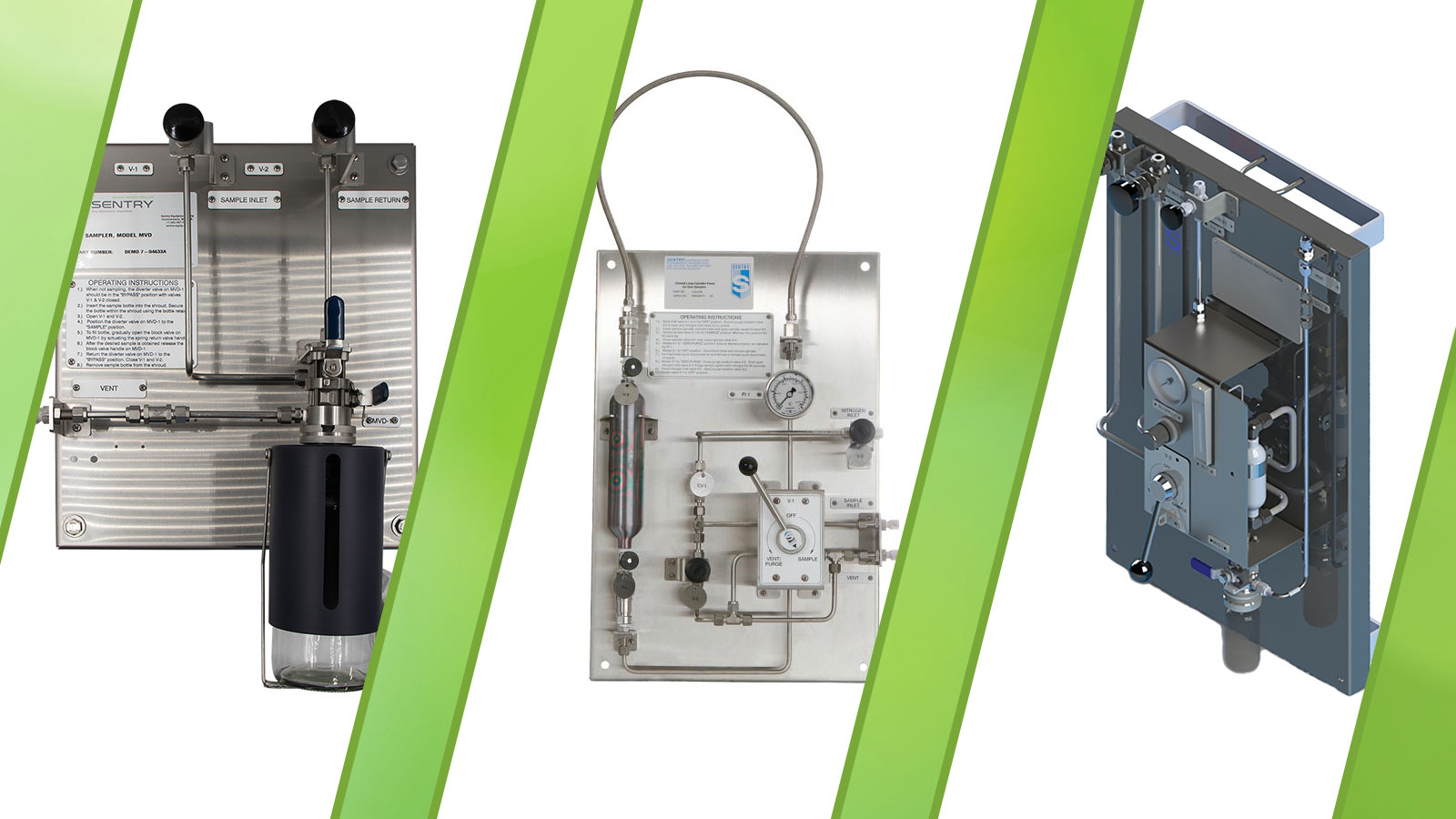
Low-emission (low-e) closed loop gas and liquid sampling systems are simple, safe and accurate ways to manage representative sampling in your plant. But even the most reliable sampling solution will need ongoing maintenance and service. When your gas and liquid samplers aren’t working properly, these troubleshooting tips can keep your system running smoothly.
Read MoreTopics: Downstream, Upstream & Midstream, Liquid & Slurry, Gas
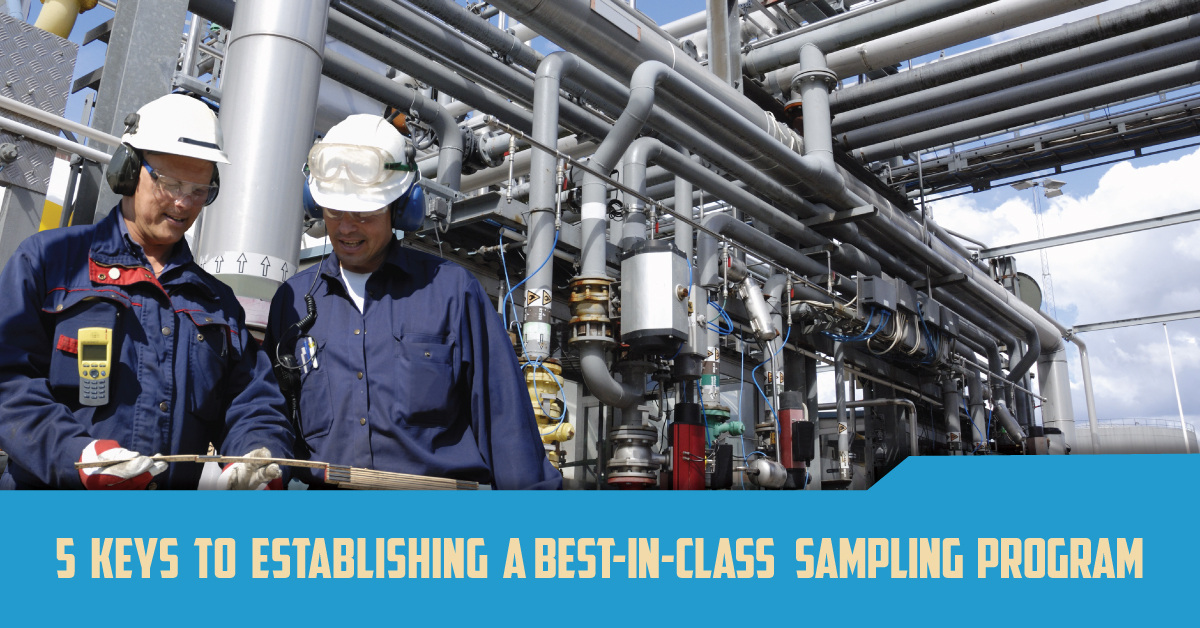
In the oil and gas industry, sampling hydrocarbon liquids, such as crude oil, related cuts, condensates, and oil and water mixtures, is critical to ensuring quality control, identifying corrosion and ensuring processes are operating as expected. However, improperly operating or poorly maintained manual sampling panels can lead to poor lab results, high maintenance costs and increased exposure of operators to spills. Keep your operators safe, remain in environmental compliance and maximize uptime by transforming your sampling program to top notch one.
Here are five things you can do to transform a problem hydrocarbon sampling program.
Read MoreTopics: Downstream
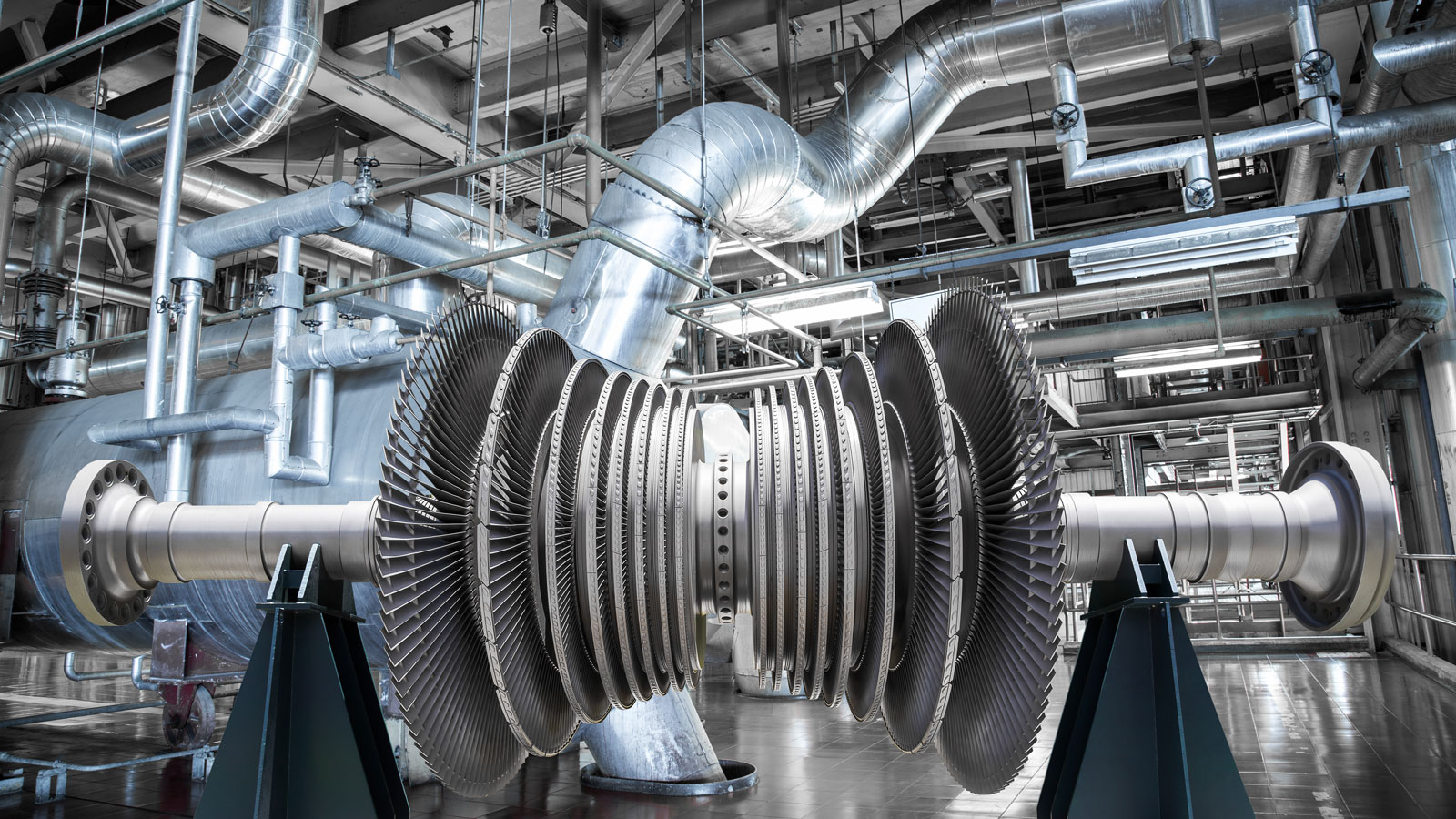
The passive layer protects hydrocarbon and power plant equipment from corrosion and all the devastating effects that corrosion can cause. Cycle chemistry is critical to maintaining and protecting your passive layer – and your equipment.
Read MoreTopics: Power, Downstream, Steam & Water
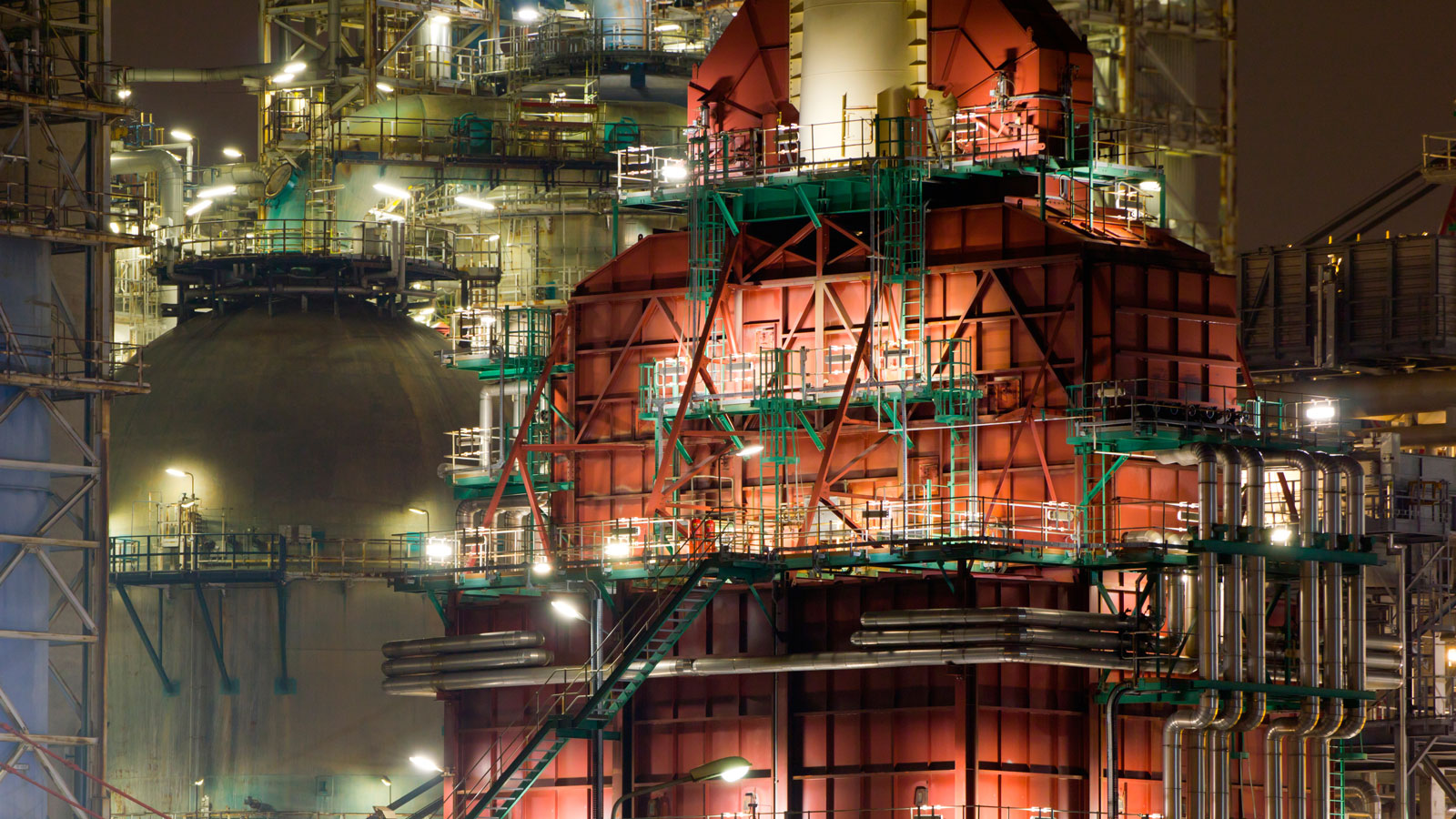
In a hydrocarbon processing plant, crude oil must be processed into more refined products. Establishing a sampling program for all types of refining processes in hydrocarbon processing plants requires special considerations for successful and safe operations.
Read MoreTopics: Downstream, Liquid & Slurry, Gas
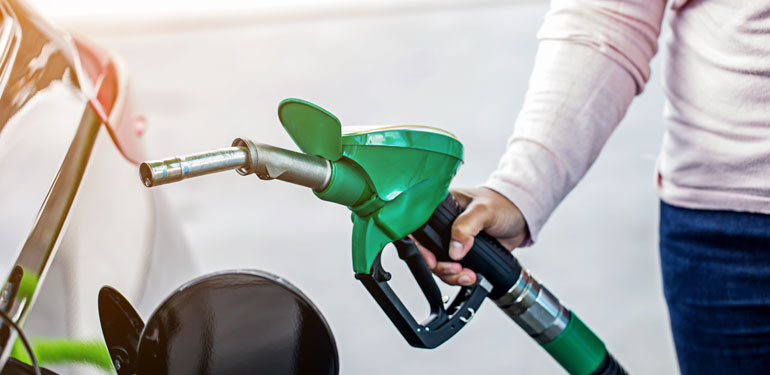
Globally, there’s a trend for increased policies and regulations around producing low-sulfur and ultra-low-sulfur (ULS) transportation fuels. These are often referred to as “clean fuels”. “Clean” transportation fuels typically focus on removing sulfur oxides (SOx), specifically sulfur dioxide (SO2), and mitigating pollutants, such as carbon monoxide, nitrogen oxide, hydrocarbons and particulates, from vehicles’ exhaust. Sulfur oxides can cause respiratory problems and lung damage in humans and environmental issues such as tree, plant and stone damage; acid rain and hazy air. The less sulfur content in fuel, the less polluting SOx emissions that fuel will release.
Read MoreTopics: Downstream, Liquid & Slurry
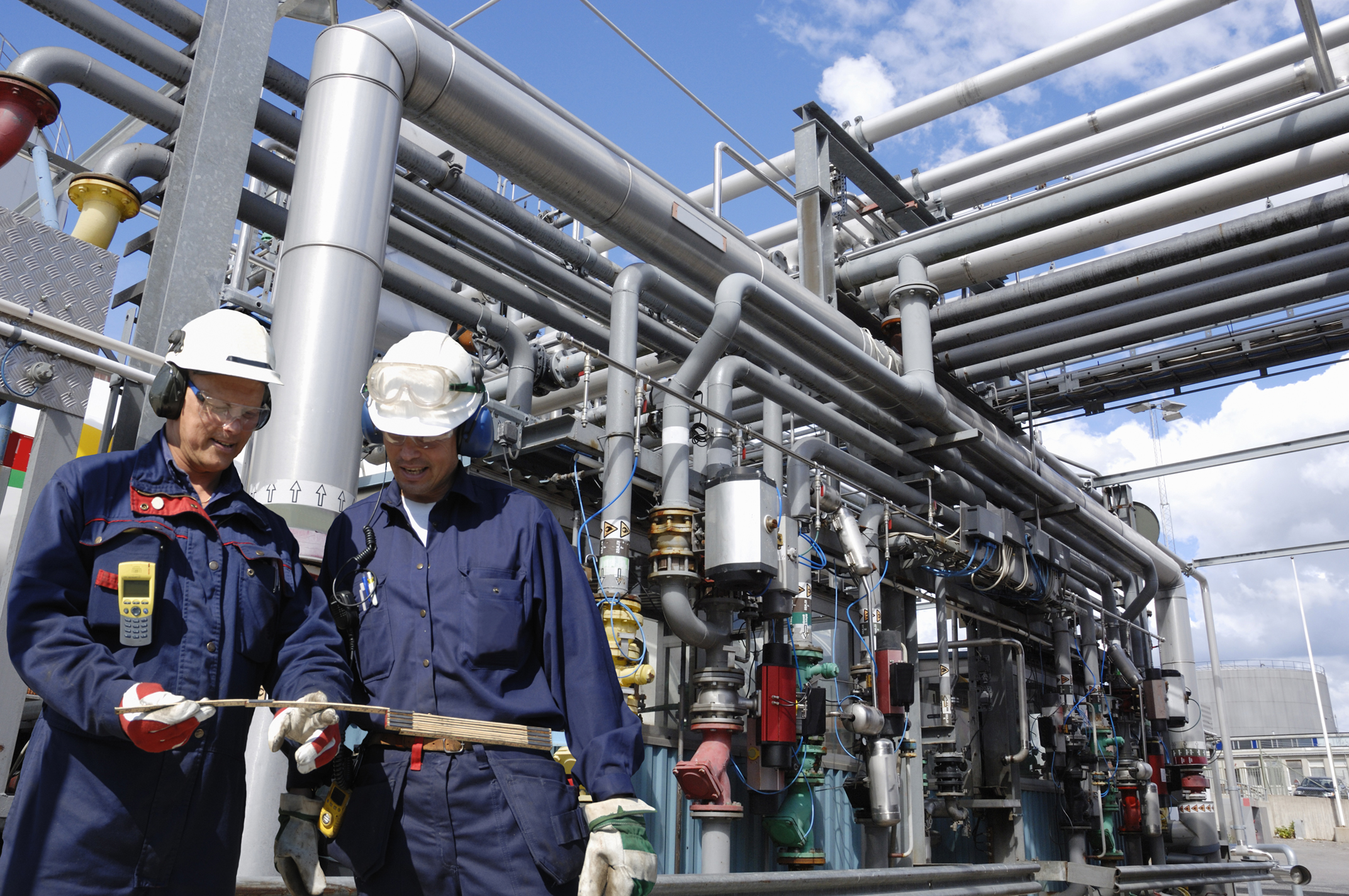
With fluctuating demand in your Hydrocarbon Processing, how can you be sure that unit responsibilities aren't creating silos? Answer: Manual or Automatic Hydrocarbon Sampling.
Read MoreTopics: Downstream, Upstream & Midstream, Solids & Powder, Liquid & Slurry
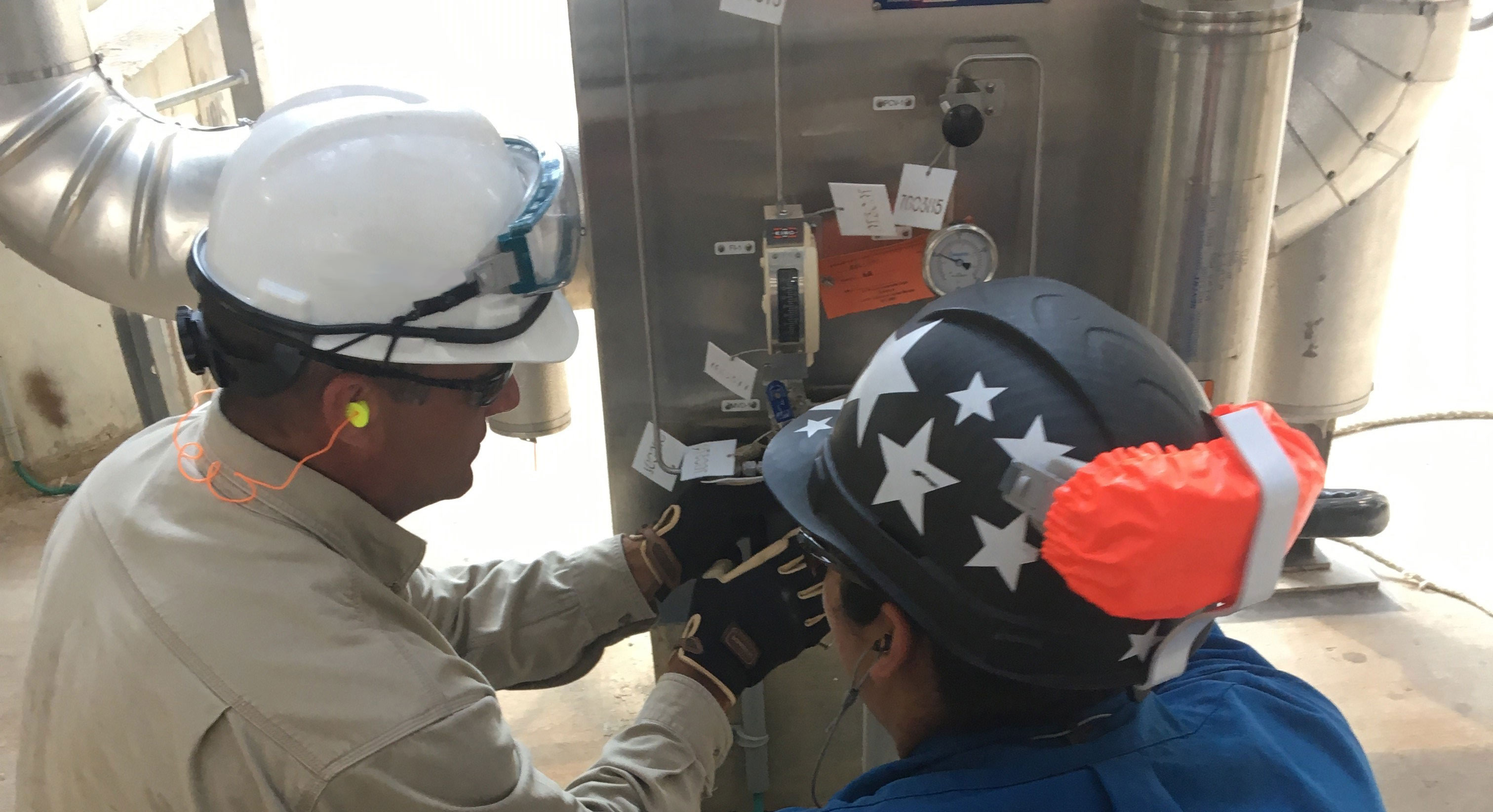
Accurate fiscal calculations, allocations and loss control are essential for a healthy hydrocarbon processing operation. It is also why you need to pay close attention to your sampling program. Sampling downstream and hydrocarbon-related liquids and gases such as crude oil, condensates, and oil and water mixtures means that it is critical to ensure quality control by determining product properties and composition that can directly affect your operations.
Read MoreTopics: Downstream, Solids & Powder, Liquid & Slurry
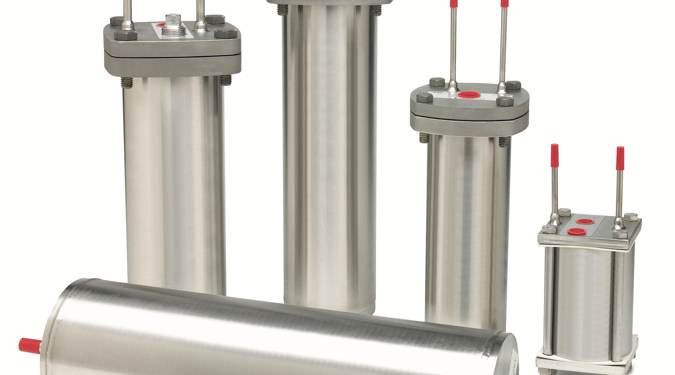
Plants and facilities of all kinds use sample coolers to cool a sample from a process stream. Cooling samples as part of your steam and water sampling system is essential to maintaining safety and the representativeness of the sample.
For example, if a sample in a power plant is too hot to handle, the operator might throttle the flow to unacceptably low levels, which means the sample is no longer representative or acceptable.
Another example comes from Hydrocarbon processing or Process Analytics. Cooling the process to handle the sample is necessary. If you take a grab sample of a certain hydrocarbon whether it be of a liquid or a gas, the safest way is to handle the sample at below 140F. This protects the operator when handling hot samples that need to be physically taken to the lab safely for analysis.
In order to achieve accurate data, the Electric Power Research Institute (EPRI), ASTM and ASME recommend cooling water samples to 77°F (25°C) to ensure consistent, accurate test results.
Read MoreTopics: Power, Downstream, Upstream & Midstream, Liquid & Slurry, Steam & Water

How do I sample gas or liquid streams where there is no standard sampling point available?
At high-temperature, high-viscosity fluid sampling points, does the fluid need to be cooled before sampling?
What are the best practices for sampling foamy hydrocarbon liquids?
If you’ve ever asked these questions – or any others about manual process sampling in a hydrocarbon processing plant – the “Five Things to Know When Sampling in a Hydrocarbon Processing Plant” webcast is for you.
Read MoreTopics: Downstream
