Sentry Equipment
World Headquarters
966 Blue Ribbon Circle North
Oconomowoc, WI 53066
+1-262-567-7256

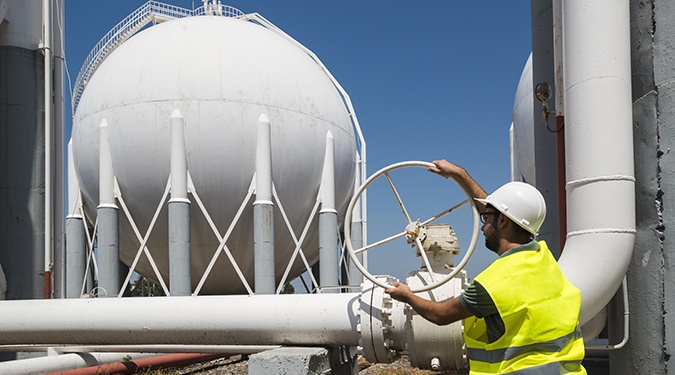
A range of petrochemical liquids and gases are stored and transported under high pressure, including liquefied petroleum gas (LPG). LPG is a two-phase liquid – a gas that is pressurized, stored and transported in its liquid phase, with high vapor pressures. Operators and the environment both face risks if unsafe LPG sampling solutions are employed.
Read MoreTopics: Downstream
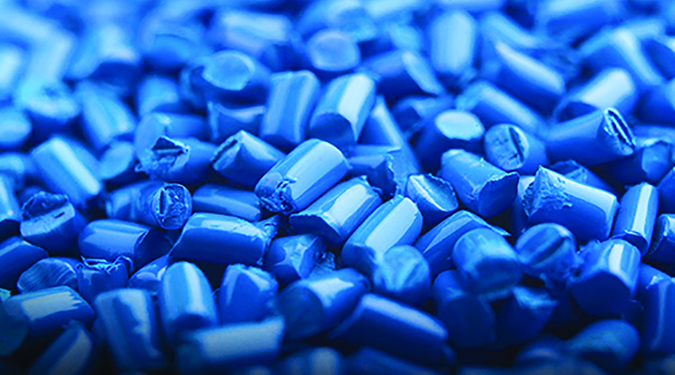
Preproduction plastic, commonly known as plastic pellets – and also called nurdles – is comprised of raw plastic resin materials that are heated and reformed into a wide variety of plastic products.
Read MoreTopics: Downstream

With its numerous mountain ranges and valleys, and the Yangtze River running through it, the Sichuan region of southwest China is the country’s fifth largest province in terms of land. It is an important region that needs to be protected because of its agriculture, wildlife and historical significance to the country. Referred to as “The Land of Abundance,” the province contains many of China’s natural wonders, wildlife preserves, archaeological sites, ancient engineering achievements, museums and historical buildings – all tourist attractions. It also is China's leading agricultural producer of rice, wheat, sugarcane and other crops, and the western plateau and mountainous regions are important environmental and forest regions, rich in bamboo, white wax and ingredients for traditional Chinese medicine.
Read MoreTopics: Downstream
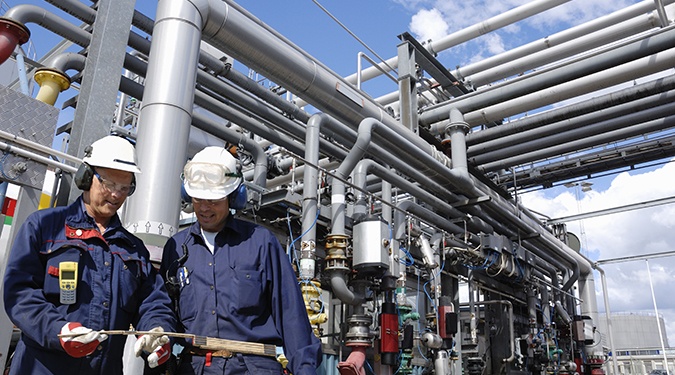
When it comes to safety and quality, there are no shortcuts. It’s a simple statement, yet a powerful promise. It holds true in the best sampling products and systems, and in operational results: from higher performing processes and products to the methodical protection of operators, assets and the environment.
Read MoreTopics: Downstream
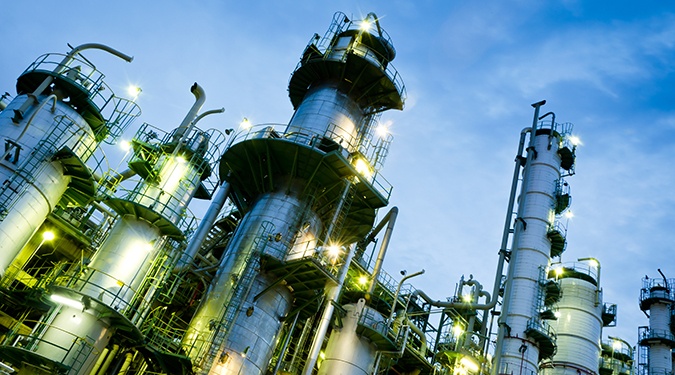
Bucket sampling in petrochemical refineries isn’t new, and it isn’t very effective. Bucket sampling involves an operator simply walking up to a spigot, turning it on and collecting the sample in a bucket or other container. The samples pulled from a spigot may not be fresh or representative, or they could be impacted by exterior elements like fluctuating temperatures - both of which could foul the sample. Sampling this way involves additional significant safety risks to the operator, which can cost in manpower and money. Factor in the time it takes an operator to capture a sample and the logistics involved in getting it to the lab, and soon what was thought to be an easy and cheap sampling method is anything but.
Read MoreTopics: Downstream
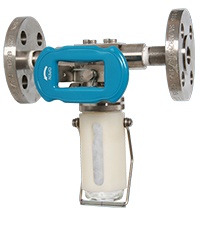
Running an efficient operation requires analysis of controlled, real-time data obtained through representative sampling within a production environment. This data is needed to provide the critical insights needed to control and optimize processes. Representative sampling is the act of capturing fresh product from the process stream for analysis.
Read MoreTopics: Downstream
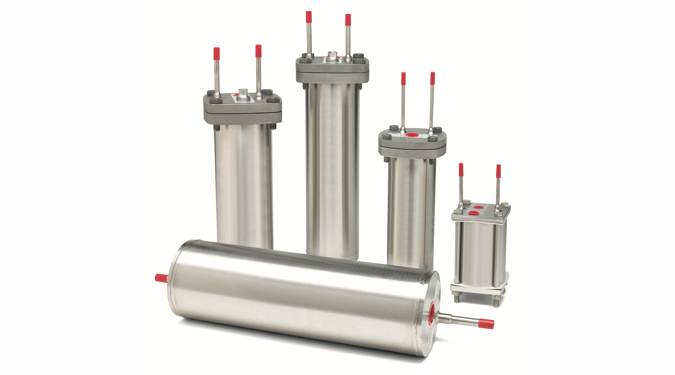
The answer currently is 154. The leading brand of sample coolers – Sentry – supplies more than 6,000 per year to customers around the globe.
Read MoreTopics: Power, Cement, Food & Beverage, Downstream, Mining, Upstream & Midstream, Pharmaceutical, Liquid & Slurry, Any Application, Steam & Water, Gas
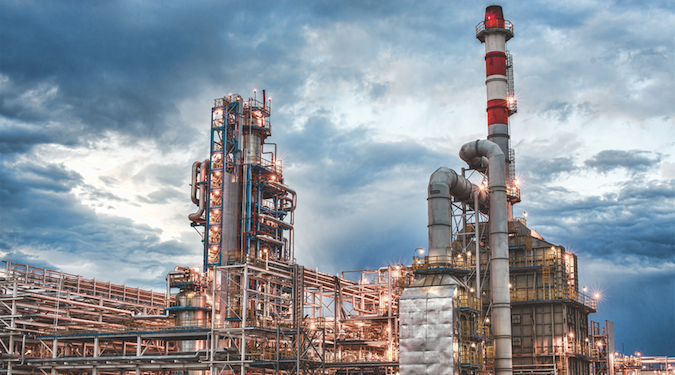
In the petrochemical industry, representative samples of liquid petroleum gas and other high vapor pressure gases and liquids are needed for process monitoring, quality control and regulatory compliance. However, in this industry, process fluids and gases are volatile or could be harmful to the operator and the environment, or they could be dangerously altered through a chemical reaction when exposed to the atmosphere – so exposure must be avoided. Because each sample collected may pose a physical or health hazard, and operators may take hundreds of samples per year, samples must be taken safely and correctly using the appropriate equipment and containers.
Topics: Downstream, Upstream & Midstream, Gas
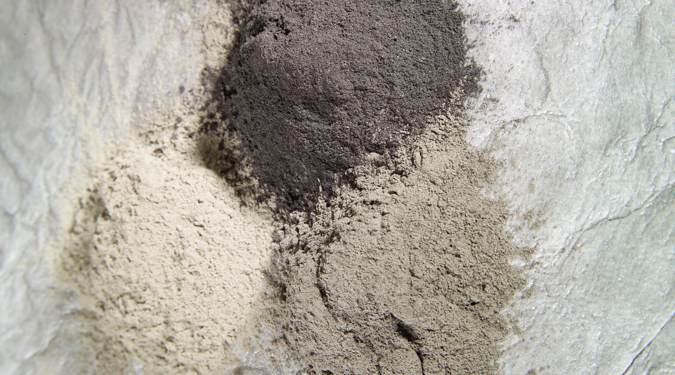
Sampling can be used to identify process variations and for process control, environmental monitoring, product quality assurance and custody transfer. Following proper steps reduces sample to sample variation. Characteristics of one representative sample are the same of that of the entire lot or batch – and the sampling methods and results should be consistent, accurate and repeatable.
Topics: Downstream, Mining, Solids & Powder
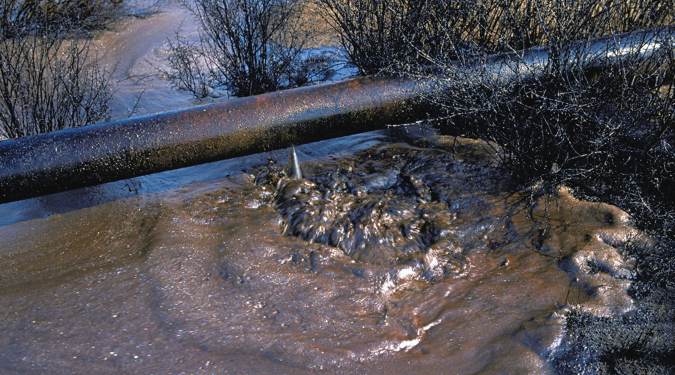
Metal corrosion is inevitable, and has the potential to cause catastrophic pipeline and assets failure, damaging the environment and communities, injuring field operators, and causing costly downtime and waste in productivity.
Read MoreTopics: Downstream, Upstream & Midstream, Gas
