Sentry Equipment
World Headquarters
966 Blue Ribbon Circle North
Oconomowoc, WI 53066
+1-262-567-7256

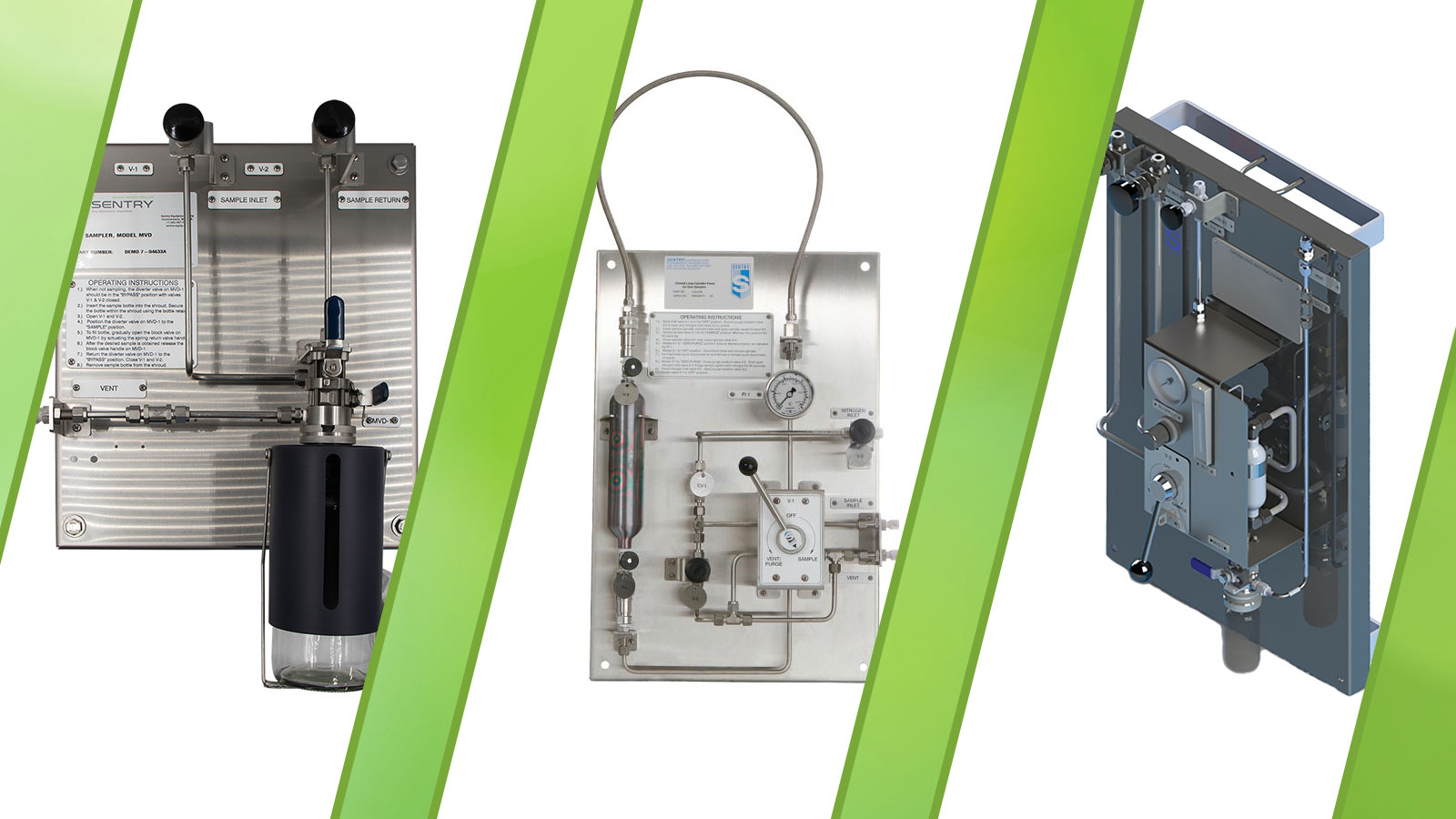
Low-emission (low-e) closed loop gas and liquid sampling systems are simple, safe and accurate ways to manage representative sampling in your plant. But even the most reliable sampling solution will need ongoing maintenance and service. When your gas and liquid samplers aren’t working properly, these troubleshooting tips can keep your system running smoothly.
Read MoreTopics: Downstream, Upstream & Midstream, Liquid & Slurry, Gas
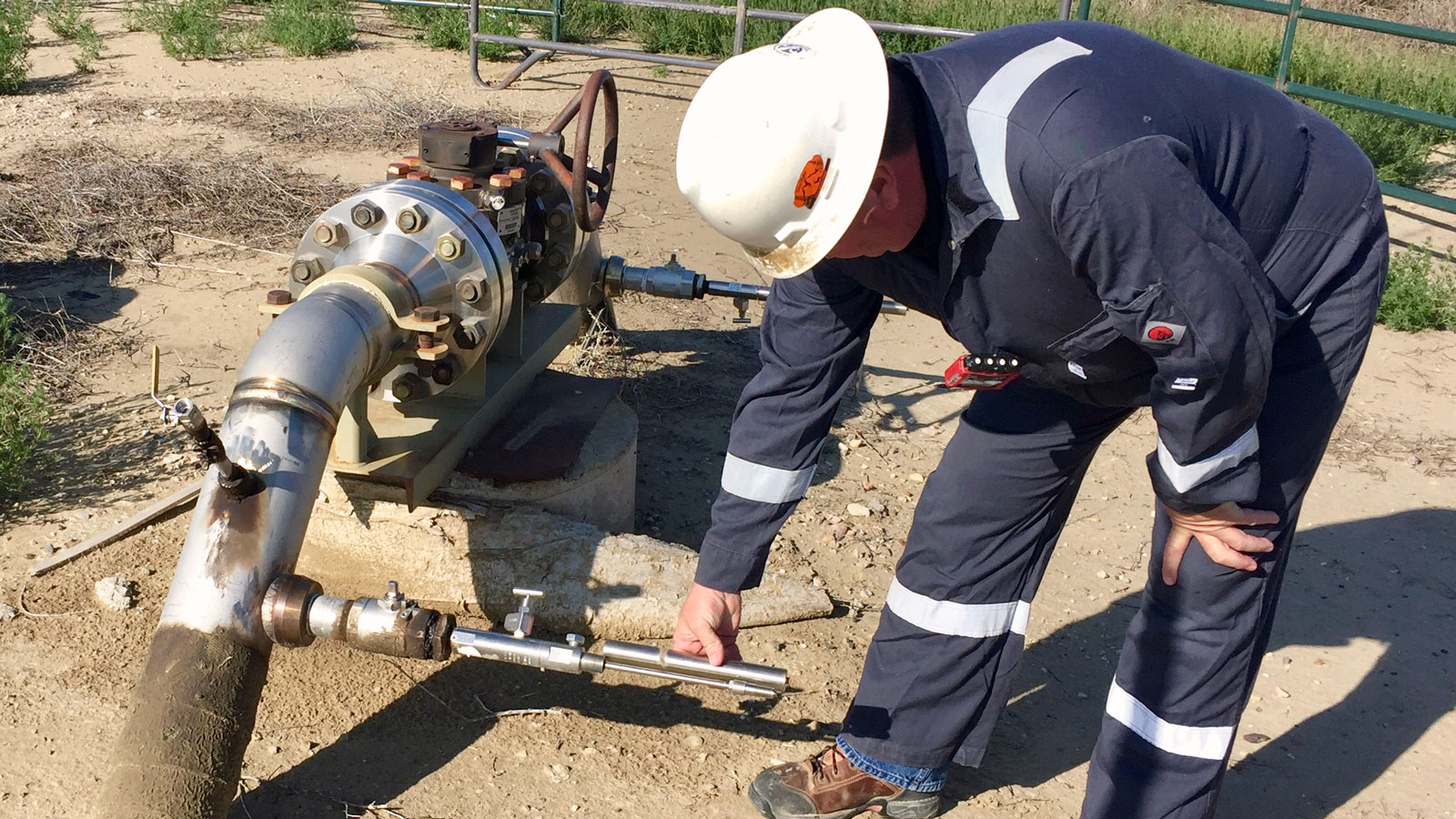
This is the third part in our series about preventing, monitoring and treating corrosion in hydrocarbon pipelines. You can read the first two posts here and here.
Internal corrosion monitoring is critical to preventing and addressing corrosion inside gas and oil pipelines. It’s also the first step in choosing the right corrosion mitigation method based on identified corrosive constituents.
Read MoreTopics: Upstream & Midstream, Liquid & Slurry, Gas
Read Part I in this series to learn about the tools used to monitor pipeline corrosion.
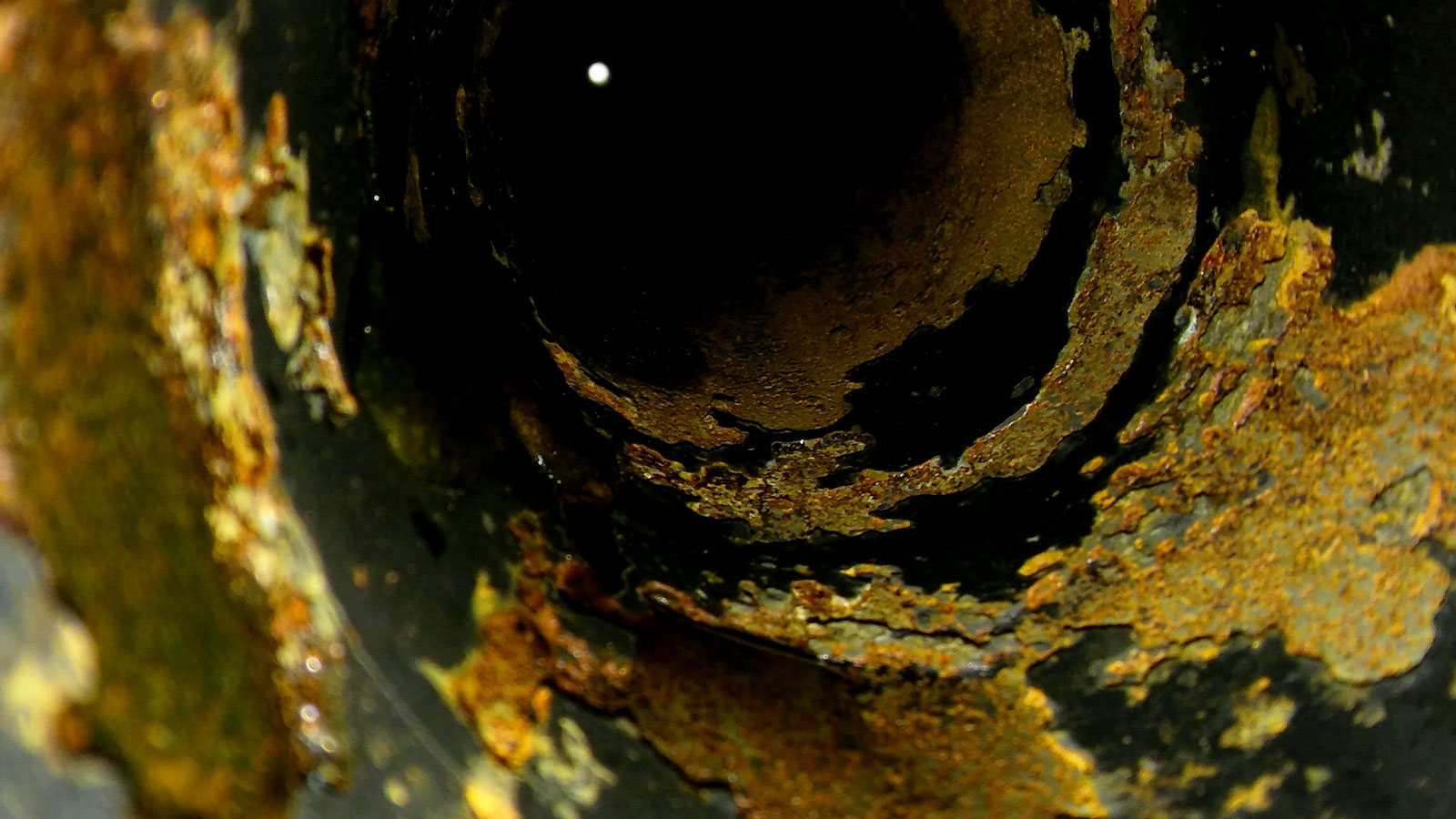
Pipelines carrying oil and gas experience internal corrosion when water is present inside the lines. The amount of corrosion will vary, depending on factors such as temperature, total pressure, CO2 and H2S content of the gas, pH of the water, flow conditions, use of inhibiting chemicals and more.
But no matter the amount of corrosion, it can have devastating effects on your equipment.
Read MoreTopics: Upstream & Midstream, Liquid & Slurry, Gas
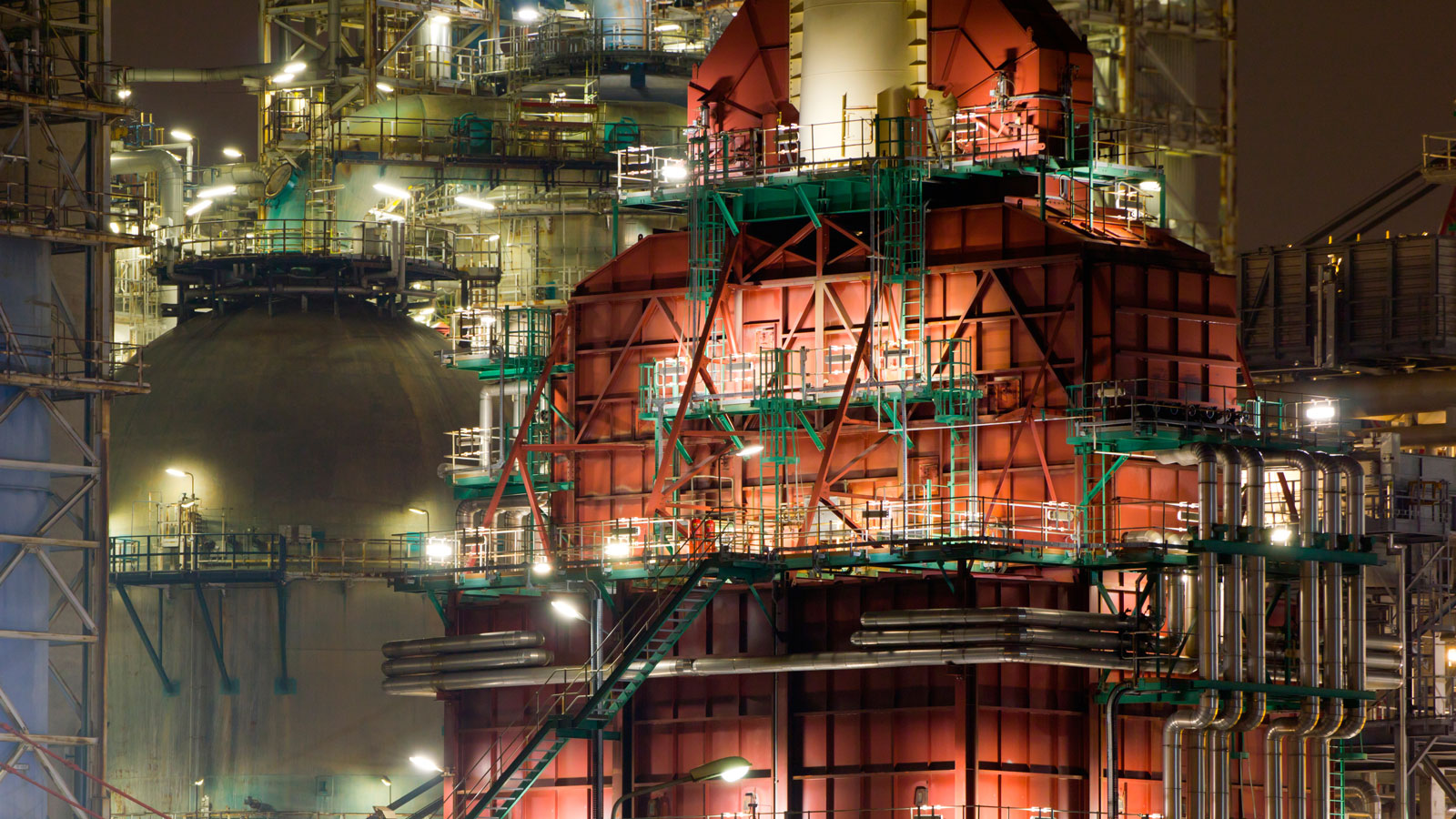
In a hydrocarbon processing plant, crude oil must be processed into more refined products. Establishing a sampling program for all types of refining processes in hydrocarbon processing plants requires special considerations for successful and safe operations.
Read MoreTopics: Downstream, Liquid & Slurry, Gas

According to the Farmers’ Almanac, this year’s winter is predicted to be a “polar coaster” with freezing, frigid and frosty weather across two-thirds of the country. This level of extreme weather leaves midstream pipelines at risk for damage such as freezing.
Read MoreTopics: Upstream & Midstream, Liquid & Slurry, Gas

Cycle chemistry management is the best way to help prevent, recognize and minimize potentially devastating water chemistry events. Smart alarms assist in this by monitoring cycle chemistry, identifying chemistry events in real time and allowing chemists to take proper actions to correct conditions - preventing system damage and protecting assets.
Read MoreTopics: Power, Liquid & Slurry, Steam & Water

It’s not a matter of if, but when your plant will incorporate the Industrial Internet of Things (IIoT) into its everyday operations. The IIoT is making manufacturing smarter and faster than ever before by attaching networked sensors and intelligent devices to equipment to gather data, store it wirelessly, and then use analytics and machine learning to take actions that will optimize operations.
Read MoreTopics: Power, Liquid & Slurry, Steam & Water
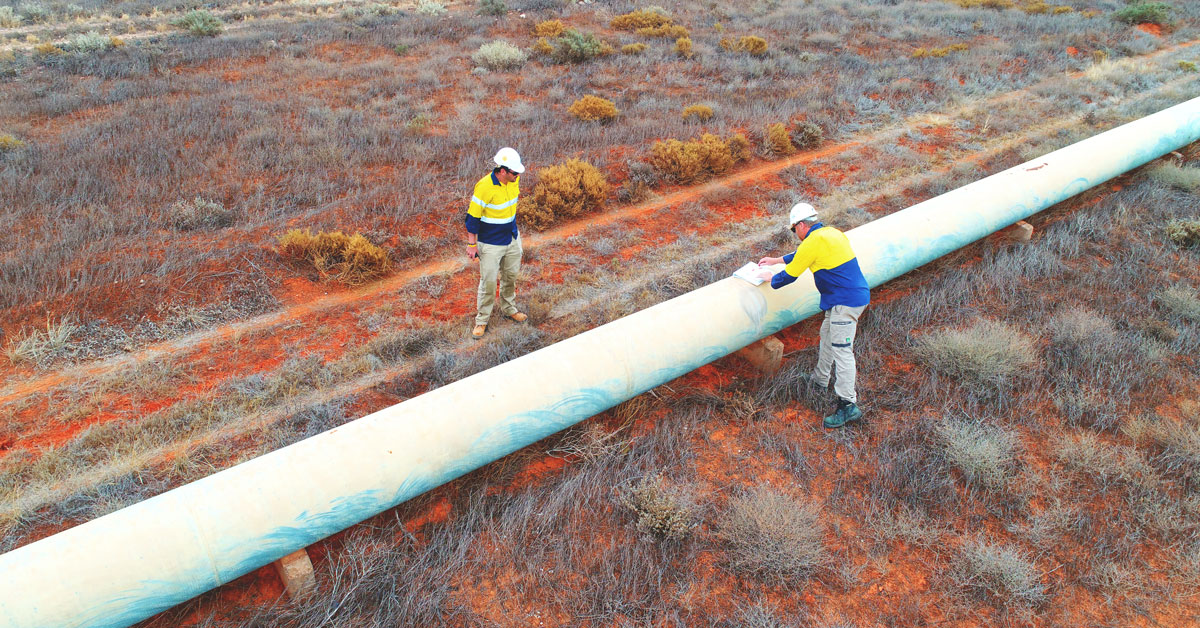
Corrosion is one of the biggest threats to the petroleum industry and preventing it is especially critical in systems susceptible to producing corrosive environments, such as flow lines, transportation pipelines, vessels, water systems, boilers, vacuum towers, cooling systems, amine systems and crude oil systems.
In order to mitigate this devastating occurrence, accurate measurement and monitoring is crucial.
Read MoreTopics: Upstream & Midstream, Liquid & Slurry, Gas

Globally, there’s a trend for increased policies and regulations around producing low-sulfur and ultra-low-sulfur (ULS) transportation fuels. These are often referred to as “clean fuels”. “Clean” transportation fuels typically focus on removing sulfur oxides (SOx), specifically sulfur dioxide (SO2), and mitigating pollutants, such as carbon monoxide, nitrogen oxide, hydrocarbons and particulates, from vehicles’ exhaust. Sulfur oxides can cause respiratory problems and lung damage in humans and environmental issues such as tree, plant and stone damage; acid rain and hazy air. The less sulfur content in fuel, the less polluting SOx emissions that fuel will release.
Read MoreTopics: Downstream, Liquid & Slurry
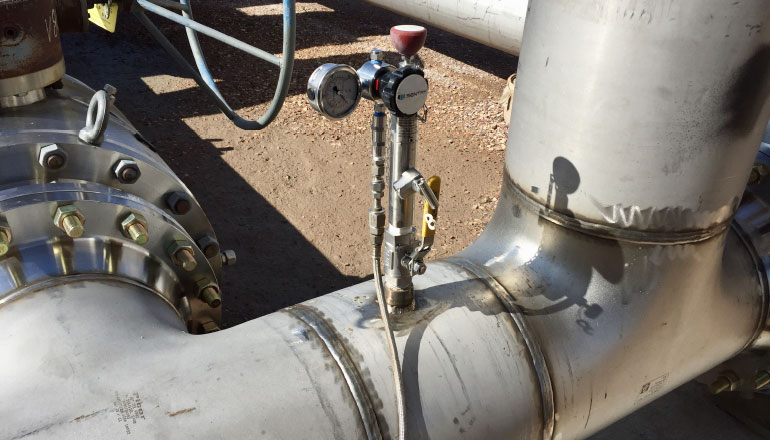
Corrosion monitoring and mitigation is essential for ensuring safe operation and reliable natural gas supplies. In fact, corrosion control practices could save up to $875 billion annually. And this doesn’t include the additional safety, operational and environmental benefits that come from corrosion-free equipment.
Read MoreTopics: Upstream & Midstream, Liquid & Slurry, Gas
