Sentry Equipment
World Headquarters
966 Blue Ribbon Circle North
Oconomowoc, WI 53066
+1-262-567-7256

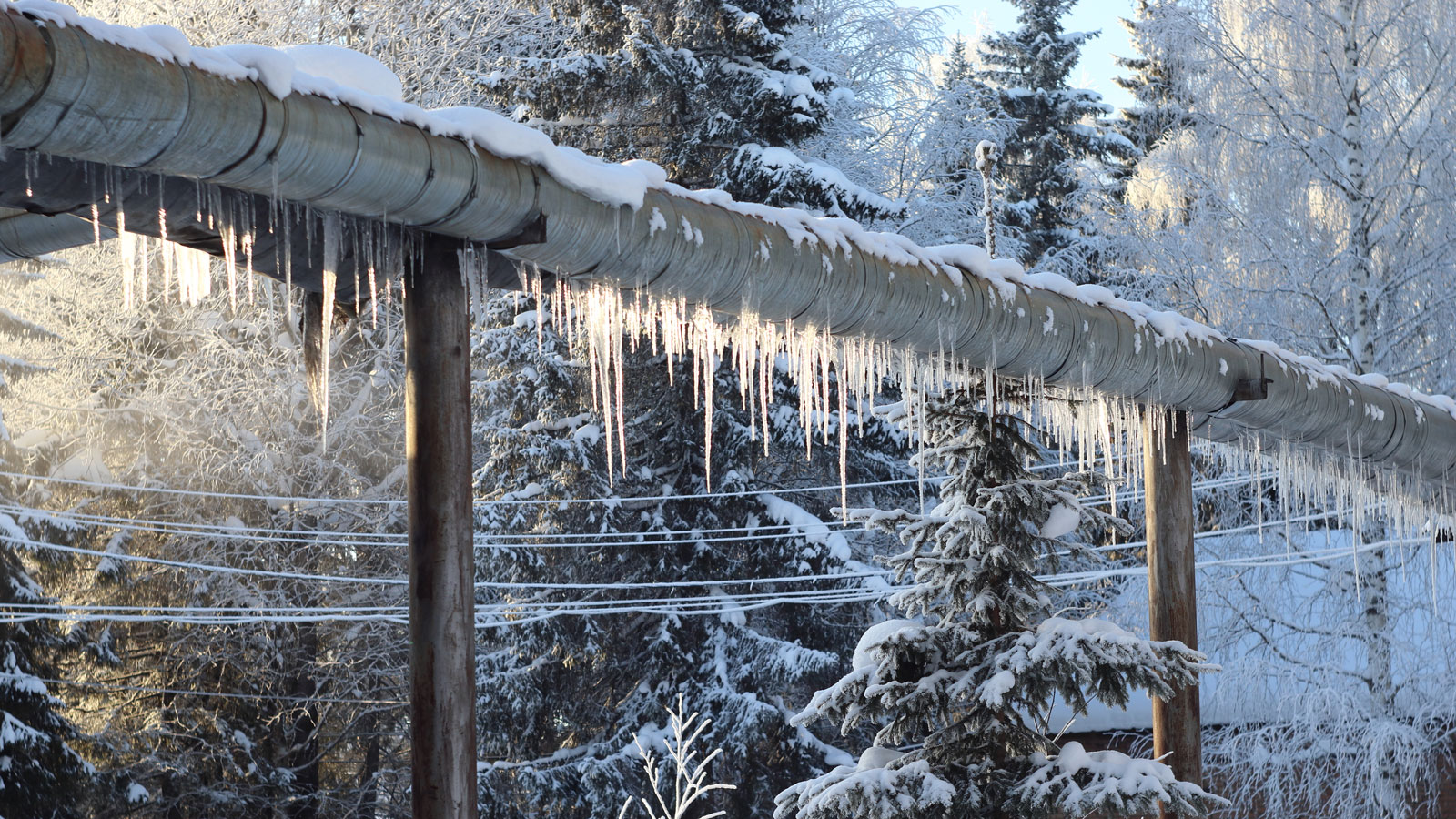
According to the Farmers’ Almanac, this year’s winter is predicted to be a “polar coaster” with freezing, frigid and frosty weather across two-thirds of the country. This level of extreme weather leaves midstream pipelines at risk for damage such as freezing.
Read MoreTopics: Upstream & Midstream, Liquid & Slurry, Gas
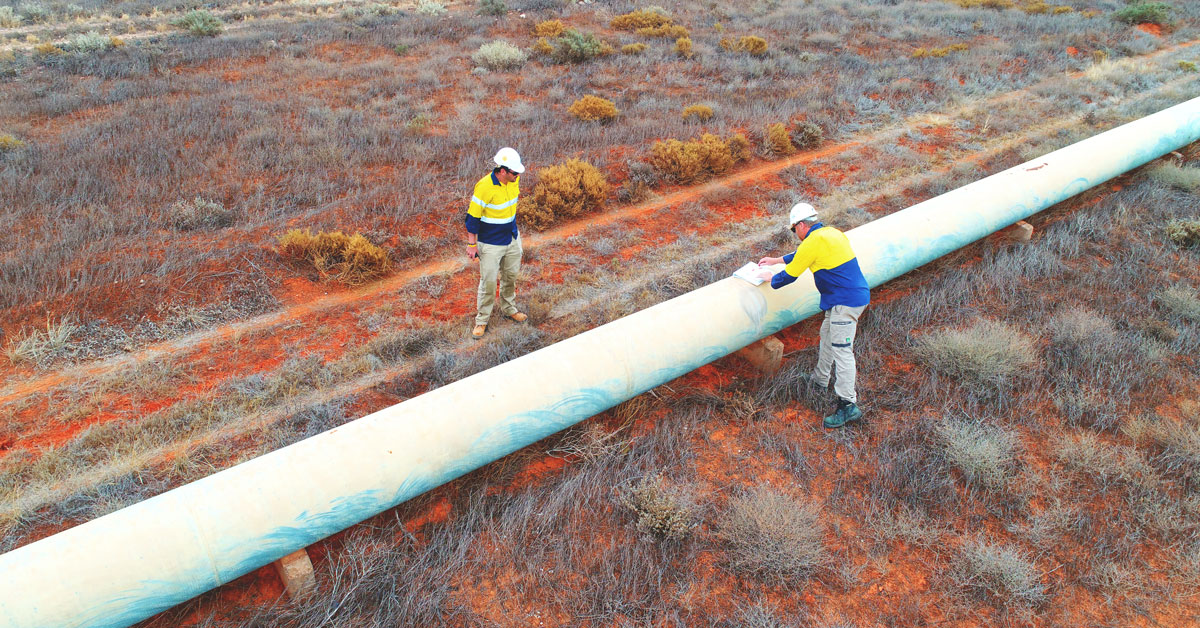
Corrosion is one of the biggest threats to the petroleum industry and preventing it is especially critical in systems susceptible to producing corrosive environments, such as flow lines, transportation pipelines, vessels, water systems, boilers, vacuum towers, cooling systems, amine systems and crude oil systems.
In order to mitigate this devastating occurrence, accurate measurement and monitoring is crucial.
Read MoreTopics: Upstream & Midstream, Liquid & Slurry, Gas
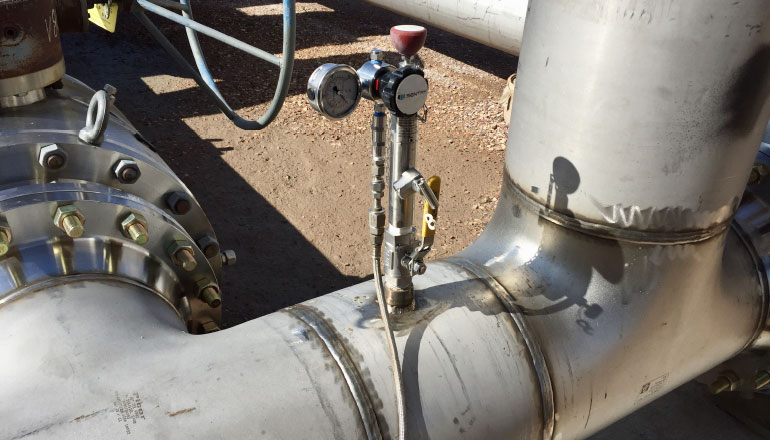
Corrosion monitoring and mitigation is essential for ensuring safe operation and reliable natural gas supplies. In fact, corrosion control practices could save up to $875 billion annually. And this doesn’t include the additional safety, operational and environmental benefits that come from corrosion-free equipment.
Read MoreTopics: Upstream & Midstream, Liquid & Slurry, Gas
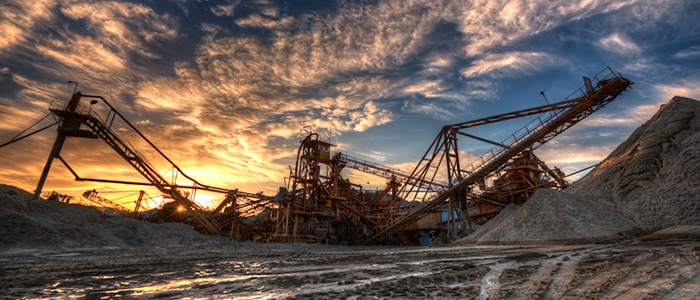
Every day, the world uses about 93 million barrels of crude oil, a demand that rose by 1.3% in 2018 and is soon expected to reach 99 barrels per day or more.
Oil sands mining is one method that oil producers are using to meet this demand. Although oil sands mining represents just a small percentage of crude oil production, it’s predicted that it will produce 3.7 million barrels per day by 2021. As this production increases, so will the need for accurate and efficient sampling processes.
Read MoreTopics: Mining, Upstream & Midstream, Solids & Powder, Liquid & Slurry
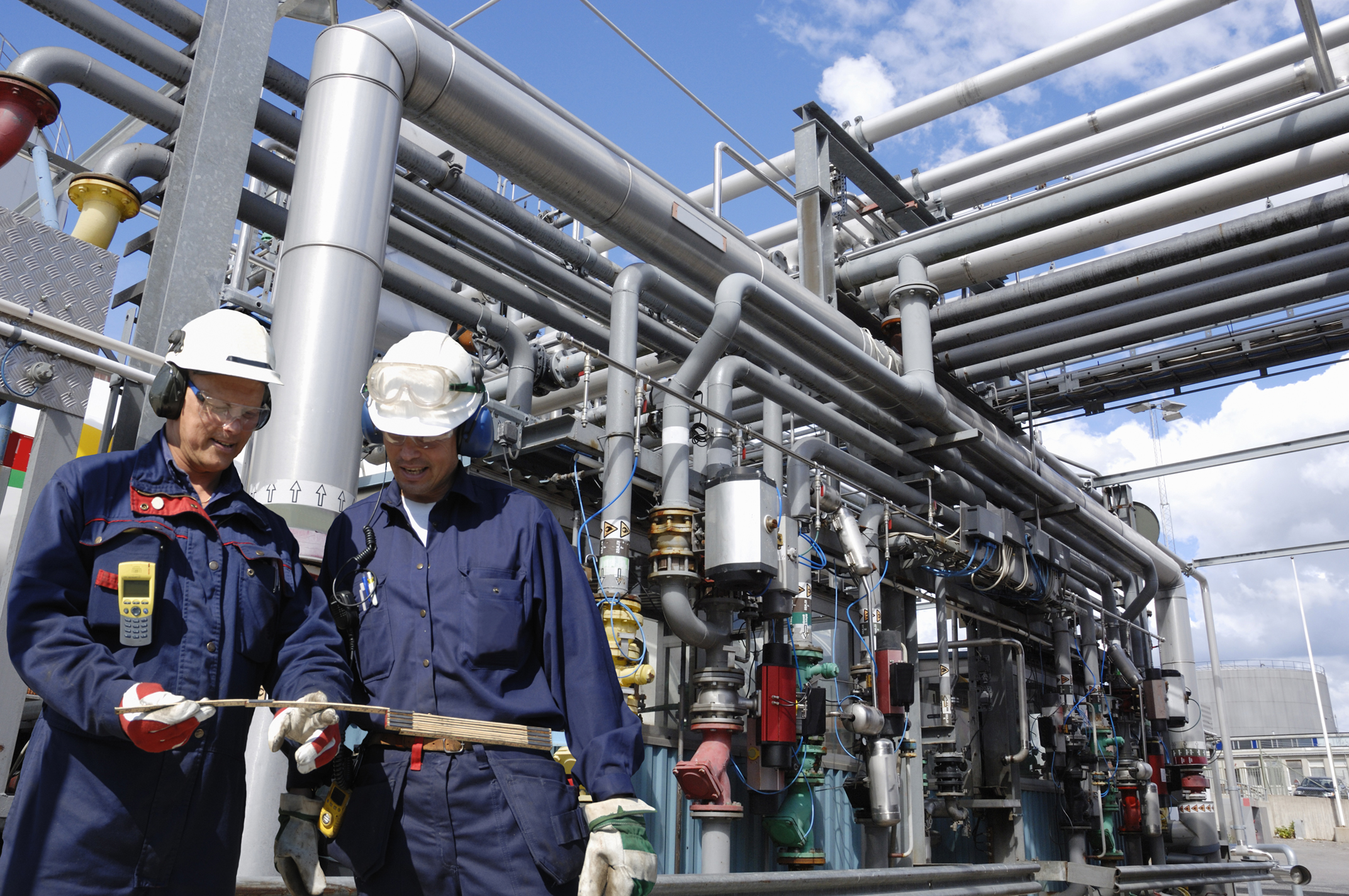
With fluctuating demand in your Hydrocarbon Processing, how can you be sure that unit responsibilities aren't creating silos? Answer: Manual or Automatic Hydrocarbon Sampling.
Read MoreTopics: Downstream, Upstream & Midstream, Solids & Powder, Liquid & Slurry
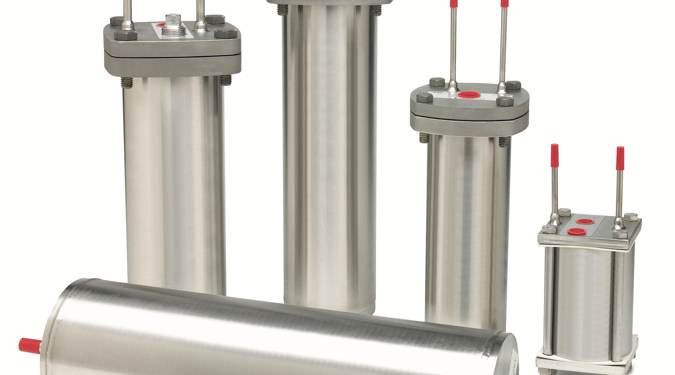
Plants and facilities of all kinds use sample coolers to cool a sample from a process stream. Cooling samples as part of your steam and water sampling system is essential to maintaining safety and the representativeness of the sample.
For example, if a sample in a power plant is too hot to handle, the operator might throttle the flow to unacceptably low levels, which means the sample is no longer representative or acceptable.
Another example comes from Hydrocarbon processing or Process Analytics. Cooling the process to handle the sample is necessary. If you take a grab sample of a certain hydrocarbon whether it be of a liquid or a gas, the safest way is to handle the sample at below 140F. This protects the operator when handling hot samples that need to be physically taken to the lab safely for analysis.
In order to achieve accurate data, the Electric Power Research Institute (EPRI), ASTM and ASME recommend cooling water samples to 77°F (25°C) to ensure consistent, accurate test results.
Read MoreTopics: Power, Downstream, Upstream & Midstream, Liquid & Slurry, Steam & Water
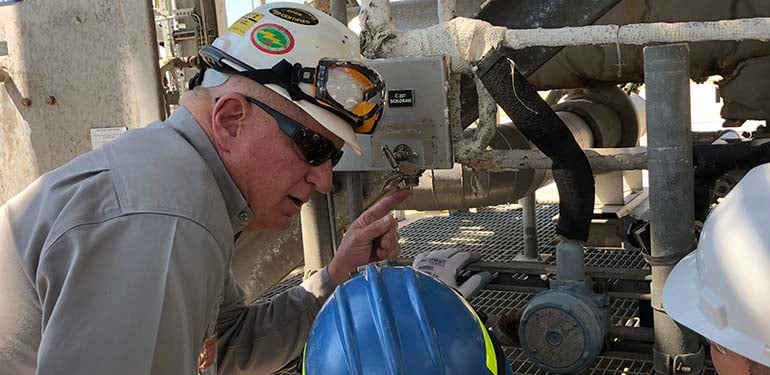
Sampling in a hydrocarbon processing plant has its hazards. Tapping into a process line to extract a representative sample requires careful planning, specialized equipment and a partnership with the right hydrocarbon service team. Commonly, however, more focus is spent on the best and safest way to extract the sample, than the method to seal the sample collection bottle. That can be just as hazardous.
Read MoreTopics: Downstream, Upstream & Midstream, Liquid & Slurry
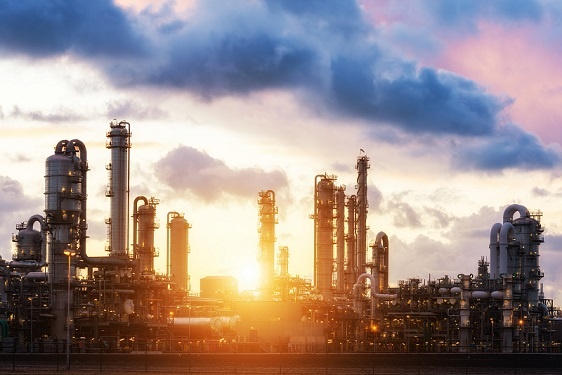
Sampling within the hydrocarbon process is essential for gaining visibility into product quality, identifying corrosion and ensuring processes are operating as expected. It occurs at multiple points across virtually every stage of hydrocarbon processing. However, are you giving sampling the attention it needs?
Read MoreTopics: Downstream, Upstream & Midstream
As Texas ramps up crude oil production and a “resilient” oil and gas industry is expected to see slow but steady growth in 2017 and beyond, it’s more critical than ever that these refining and petrochemical plants have the technologies and expertise they need to meet demand.
Read MoreTopics: Downstream, Upstream & Midstream, Company News
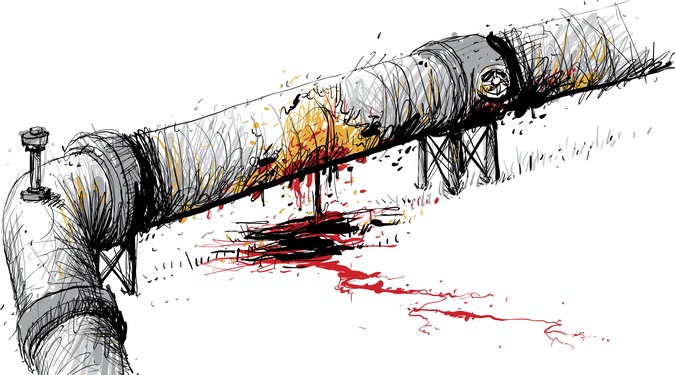
Internal metal corrosion in hazardous liquid, gas transmission and gas-gathering applications is inevitable and continues to cause leaks and catastrophic failures. Due to the fact that internal corrosion is time dependent, the number of incidents could be increasing due to aging pipeline infrastructure. Such disasters can damage the environment and cause costly downtime and waste in pipeline productivity – in addition to astronomical cleanup costs.
Read MoreTopics: Downstream, Upstream & Midstream
