Sentry Equipment
World Headquarters
966 Blue Ribbon Circle North
Oconomowoc, WI 53066
+1-262-567-7256

Natural gas is a plentiful energy resource and is the cleanest-burning fossil fuel, making it a clear choice for fulfilling this growing energy need. However, many natural gas resources are in remote locations, and safely transporting the gas by pipeline over long distances is challenging and expensive.
Read MoreTopics: Upstream & Midstream, Liquid & Slurry, Gas
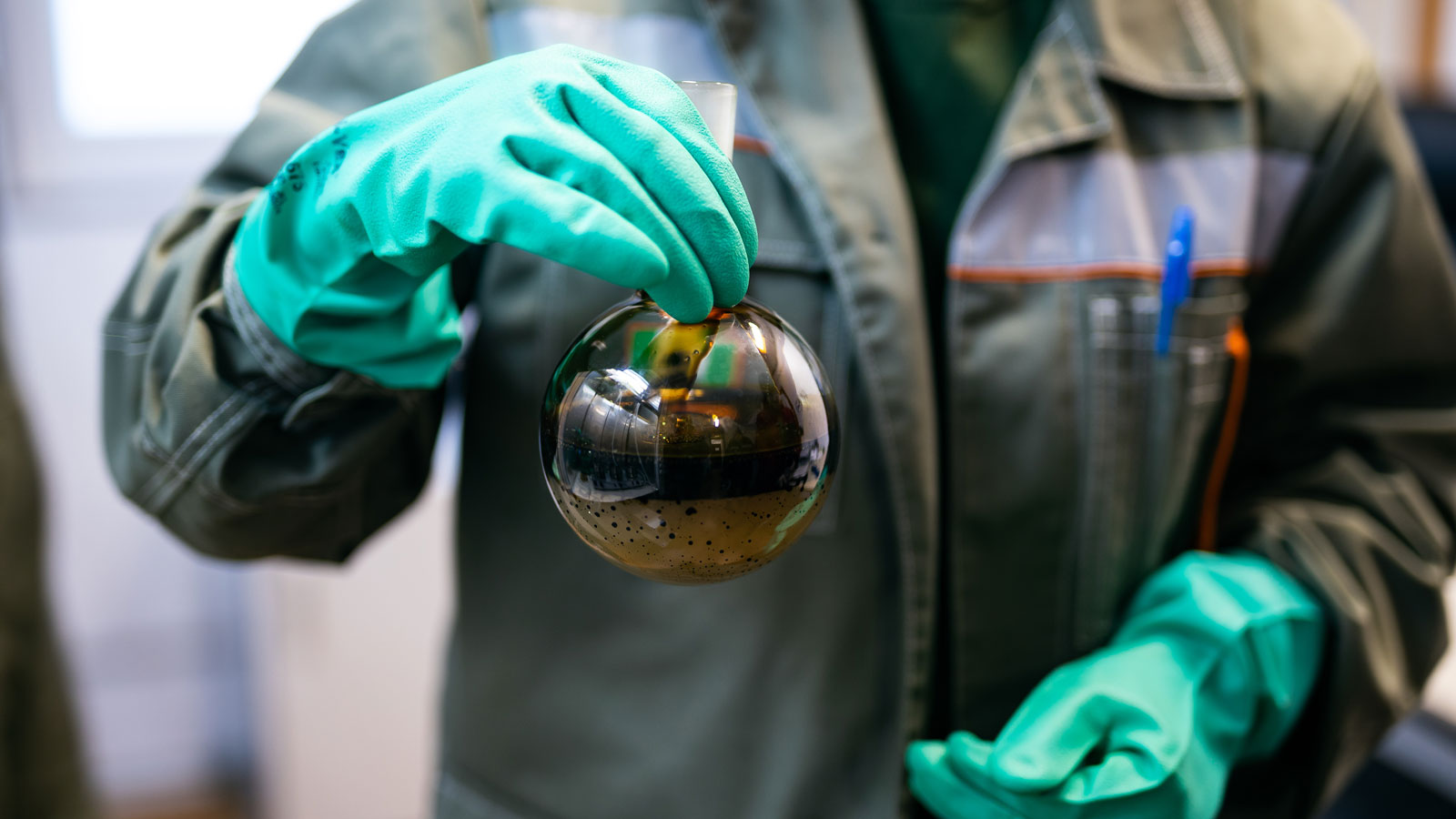
In December 2020, the United States Environmental Protection Agency (EPA) published its final version of the updated Fuels Regulatory Streamlining rule, which takes effect in January 2022. Not meeting the new and current EPA regulations can result in hefty fines, as well as damage to the environmental and plant personnel. Protect your processes and prevent these costly risks with representative sampling.
Read MoreTopics: Downstream, Upstream & Midstream, Liquid & Slurry, Gas
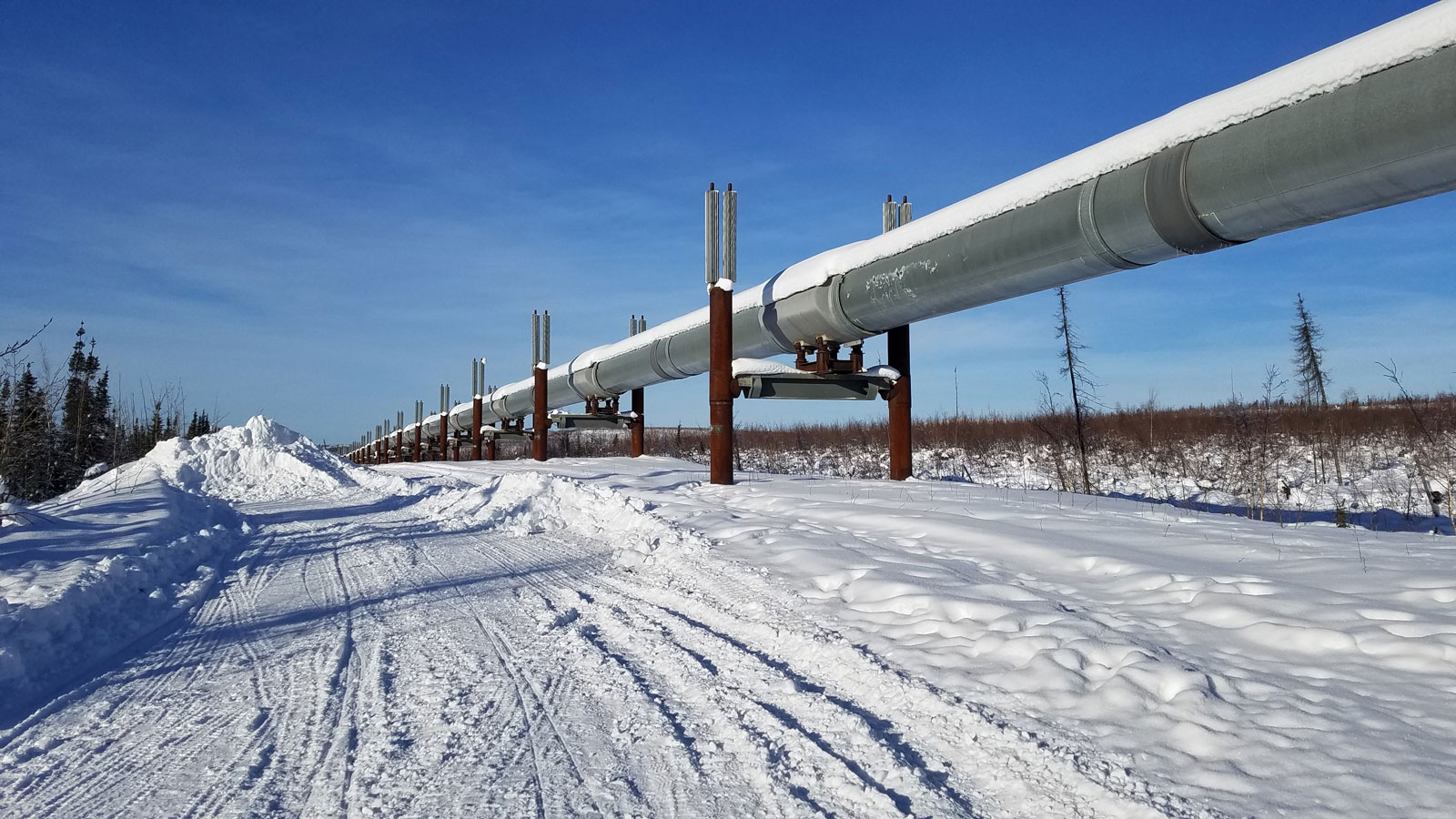
Paraffin deposition is one of the most challenging flow issues in oil production processes. Paraffin buildup in pipelines, wells and vessels is the most common type of paraffin deposition and can contribute to pipeline corrosion. Managing paraffin deposition in a timely and cost-effective manner are the keys to maximizing oil production, performance and profit.
Read MoreTopics: Upstream & Midstream, Liquid & Slurry, Gas
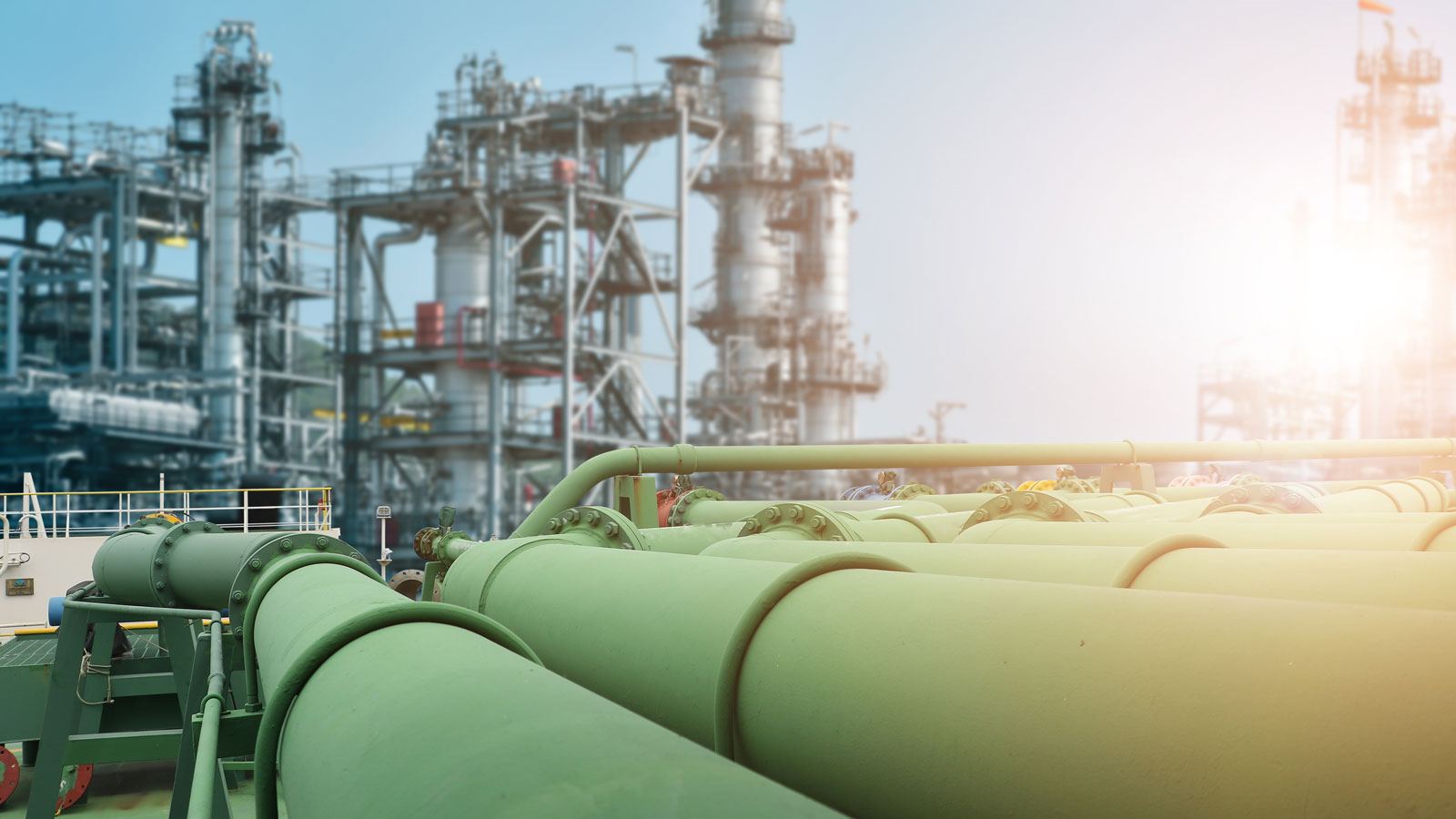
Providing a safe and easy method of accessing pressurized process systems for corrosion monitoring, chemical injection or sample extraction is an important operational consideration in upstream and midstream processes. Representative sampling solutions enable users to monitor corrosion, inject chemicals or extract samples easily and effectively. It also ensures a high level of user safety, while requiring a smaller crew and less time to operate.
Read MoreTopics: Upstream & Midstream, Liquid & Slurry, Gas
Chemical mitigation programs are a costly necessity for companies producing, transporting, storing and refining natural gas, gas liquids and crude oil. Optimizing these programs can result in immediate and considerable financial savings of 10%-30%. The first step in optimizing a program is to conduct a Chemical Optimization Audit.
Read MoreTopics: Downstream, Upstream & Midstream, Liquid & Slurry, Gas

Managing relationships with outside vendors and suppliers can be challenging. These best practices can guide you in building strong relationship with a full-service oil and gas provider that will help you improve profitability, speed up innovation and improve reliability.
Read MoreTopics: Downstream, Upstream & Midstream, Liquid & Slurry, Gas
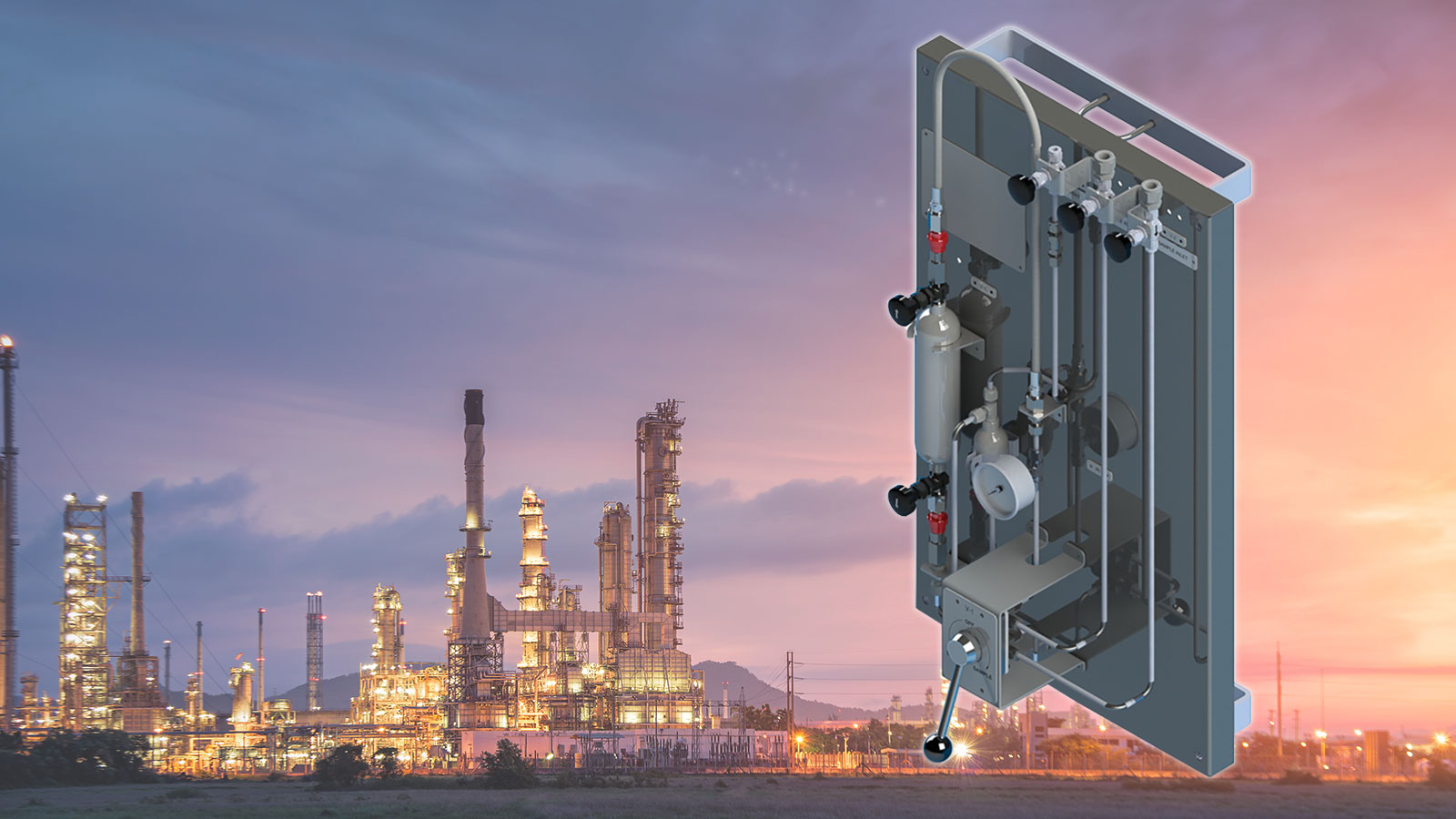
LPG sampling systems help you safely and effectively sample liquefied petroleum gas (LPG) and other gases with high vapor pressures. But even the most reliable LPG sampling solution will need ongoing maintenance and service. When your LPG samplers aren’t working properly, these troubleshooting tips can keep your system running smoothly.
Read MoreTopics: Downstream, Upstream & Midstream, Liquid & Slurry, Gas
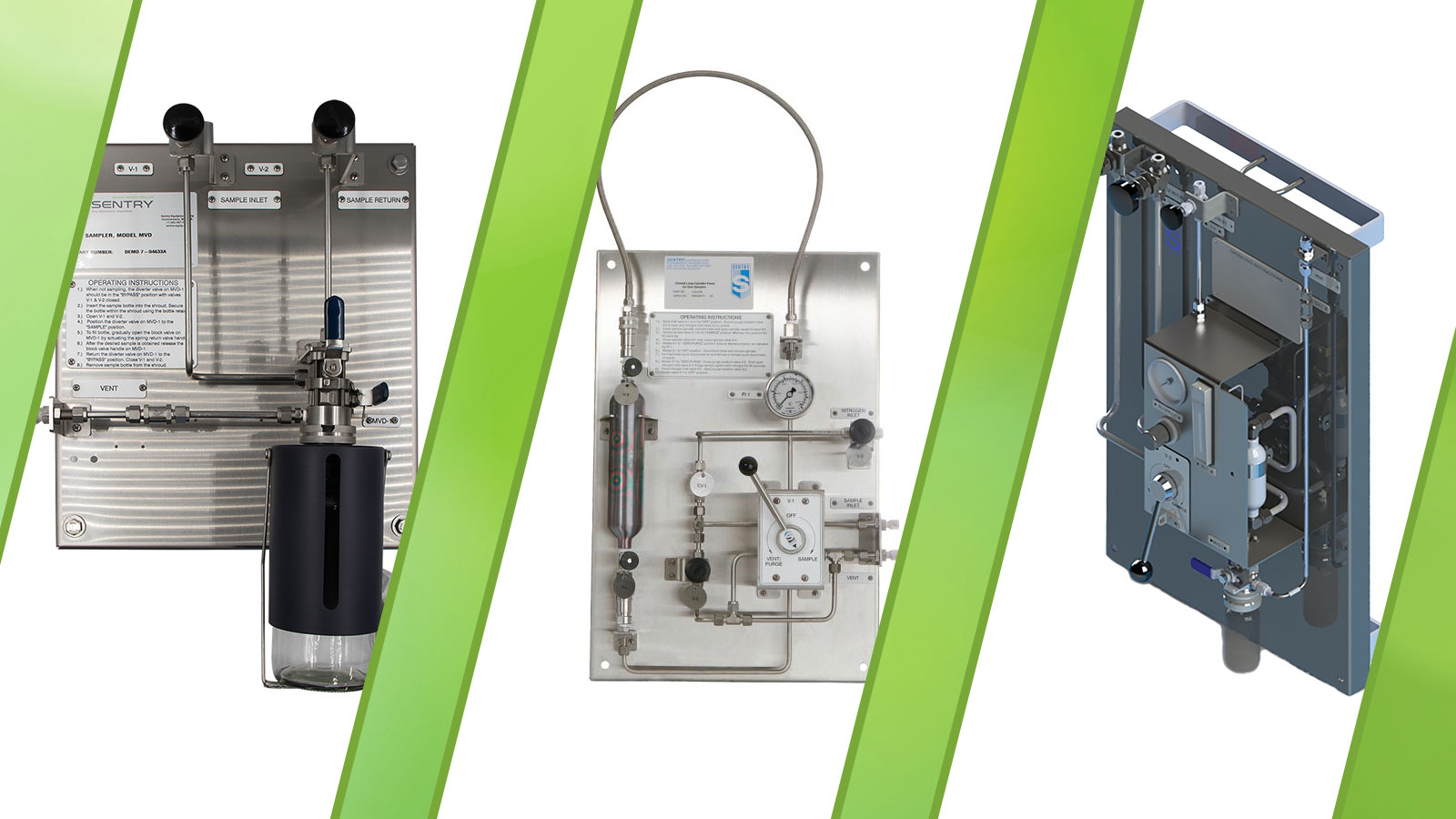
Low-emission (low-e) closed loop gas and liquid sampling systems are simple, safe and accurate ways to manage representative sampling in your plant. But even the most reliable sampling solution will need ongoing maintenance and service. When your gas and liquid samplers aren’t working properly, these troubleshooting tips can keep your system running smoothly.
Read MoreTopics: Downstream, Upstream & Midstream, Liquid & Slurry, Gas
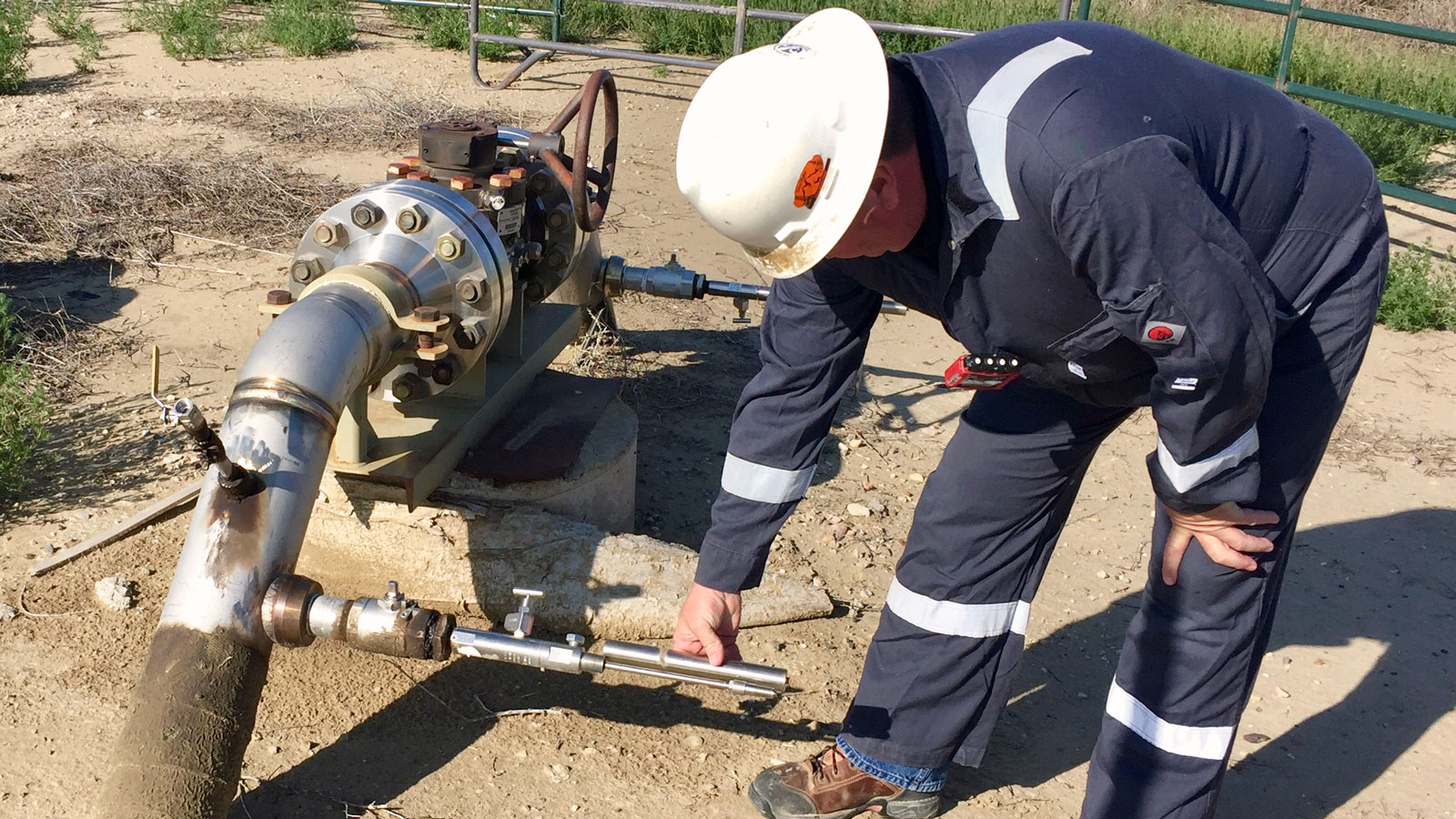
This is the third part in our series about preventing, monitoring and treating corrosion in hydrocarbon pipelines. You can read the first two posts here and here.
Internal corrosion monitoring is critical to preventing and addressing corrosion inside gas and oil pipelines. It’s also the first step in choosing the right corrosion mitigation method based on identified corrosive constituents.
Read MoreTopics: Upstream & Midstream, Liquid & Slurry, Gas
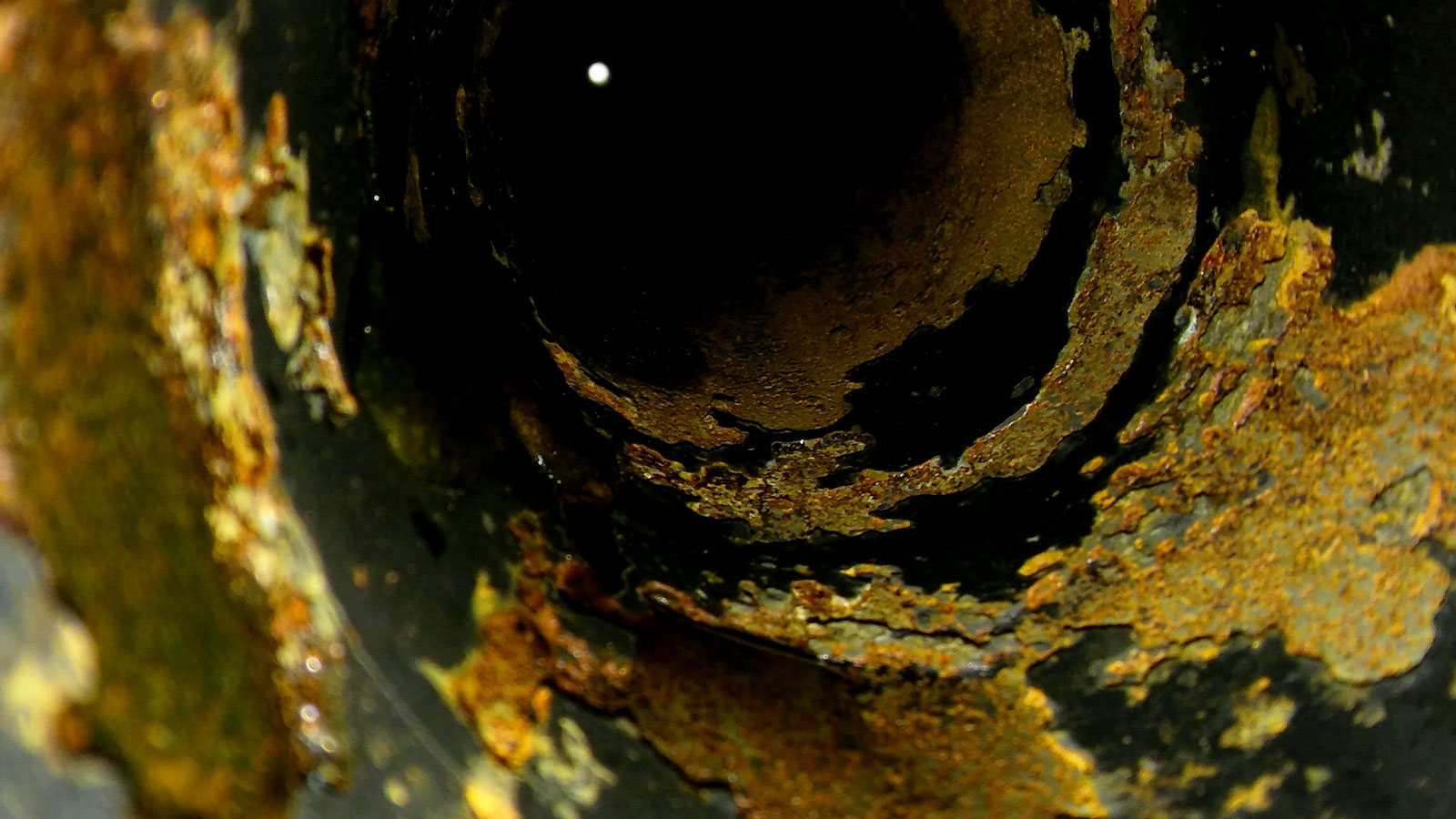
Read Part I in this series to learn about the tools used to monitor pipeline corrosion.
Pipelines carrying oil and gas experience internal corrosion when water is present inside the lines. The amount of corrosion will vary, depending on factors such as temperature, total pressure, CO2 and H2S content of the gas, pH of the water, flow conditions, use of inhibiting chemicals and more.
But no matter the amount of corrosion, it can have devastating effects on your equipment.
Read MoreTopics: Upstream & Midstream, Liquid & Slurry, Gas
